
The Blue Economy · Gunter Pauli · ZERI
Reconciling Ecology and Economy,in service of the common good.
An economic model inspired by Nature, where nothing is wasted and life's necessities become free, produced locally from what is available. Imagined by Gunter Pauli and the ZERI network.
The Blue Economy doesn't recycle, it regenerates!
Right now
The latest from the Blue Economy
The movement is moving forward: new books, innovations deployed, projects in the field.
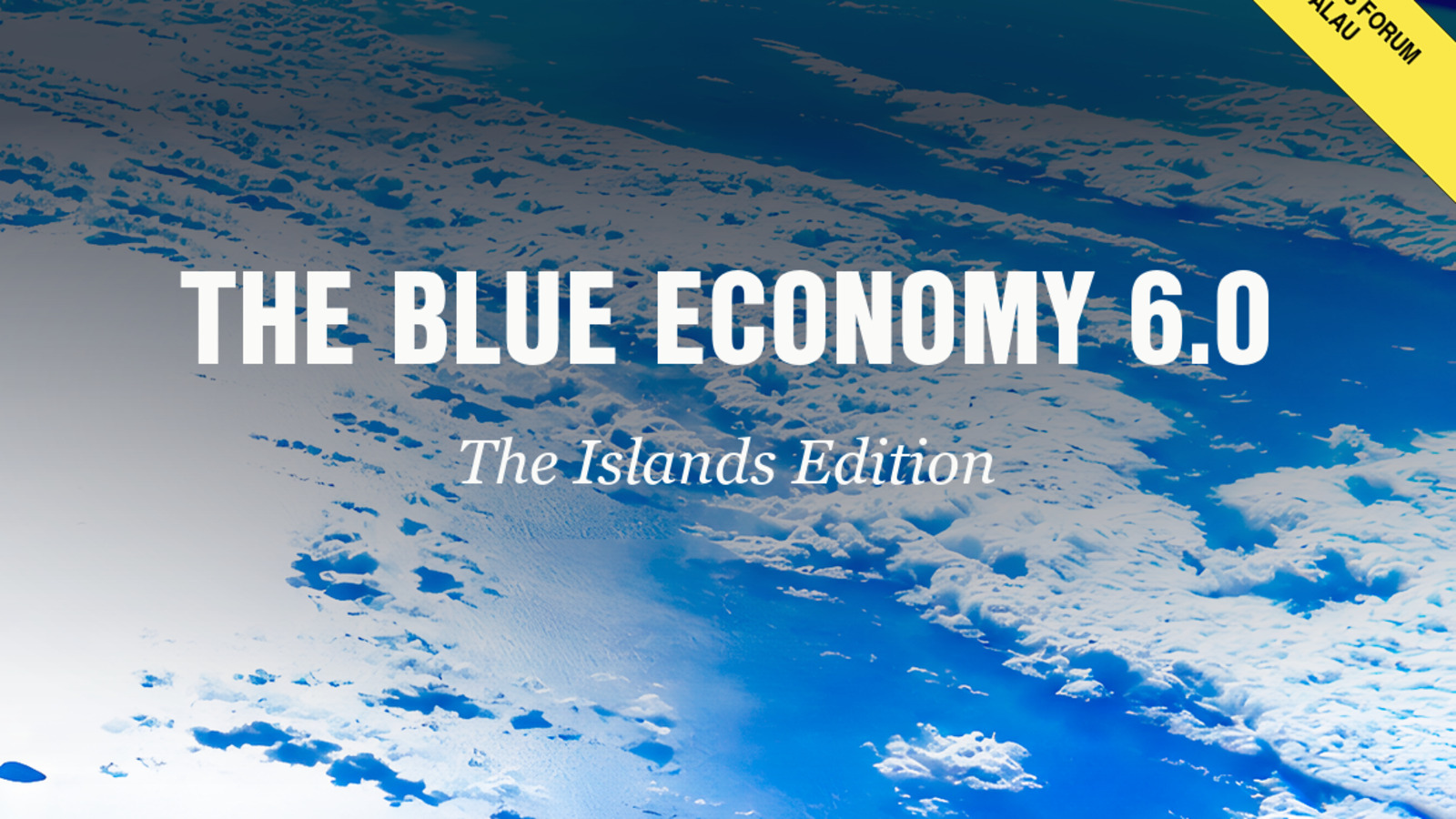
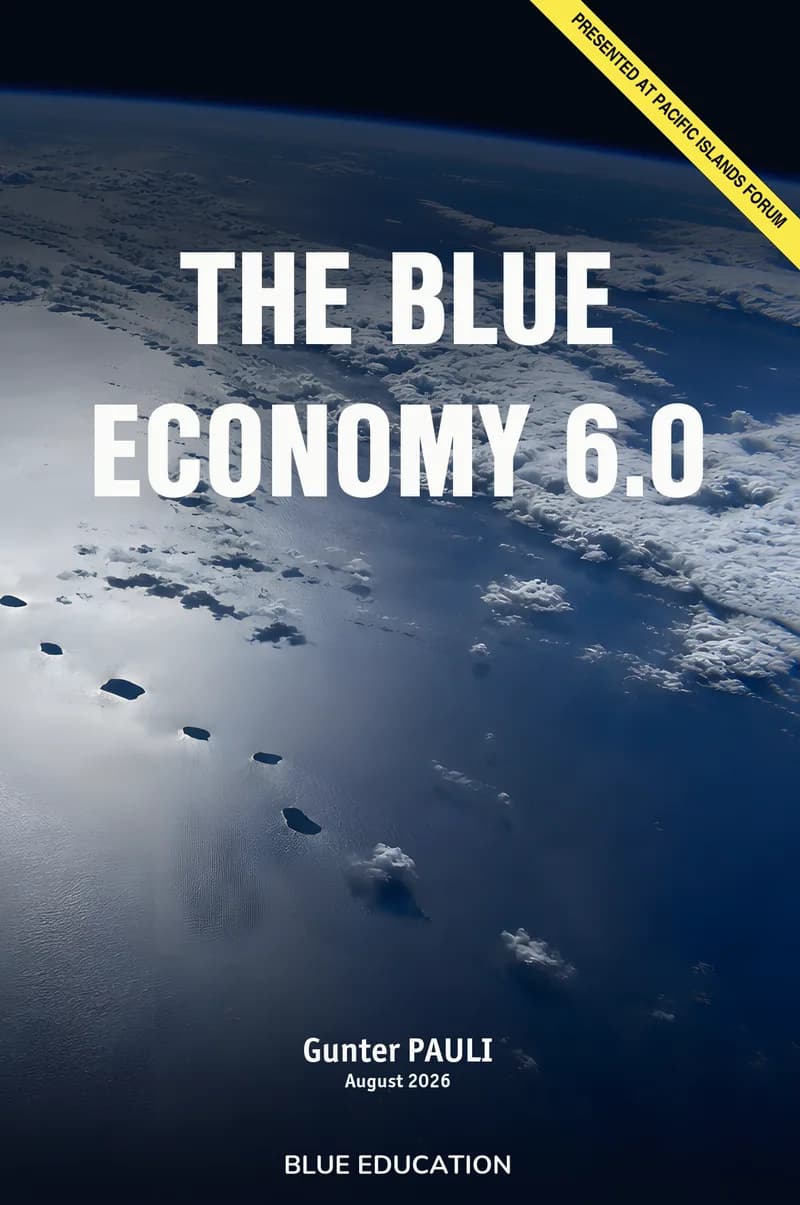
The Blue Economy 6.0 : l’édition des îles part à l’imprimerie
The Blue Economy 6.0 : The Islands Edition est parti à l’imprimerie : 520 pages imprimées sur du papier de pierre, un chapitre inédit consacré aux îles et une nouvelle annexe sur la Polynésie française. La sortie est calée pour coïncider avec le 55ᵉ Pacific Islands Forum Leaders Meeting, aux Palaos, du 30 août au 4 septembre 2026.
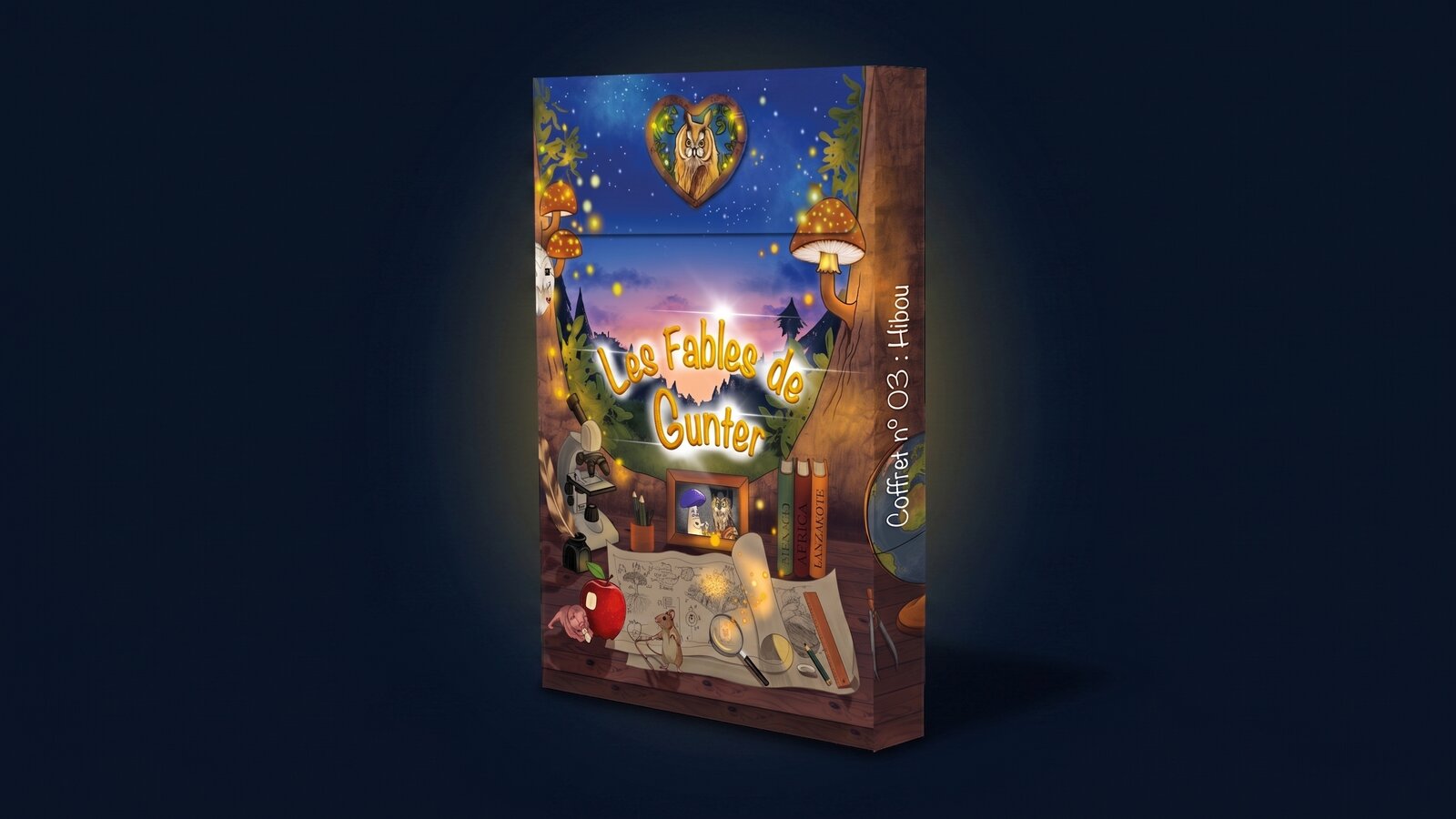
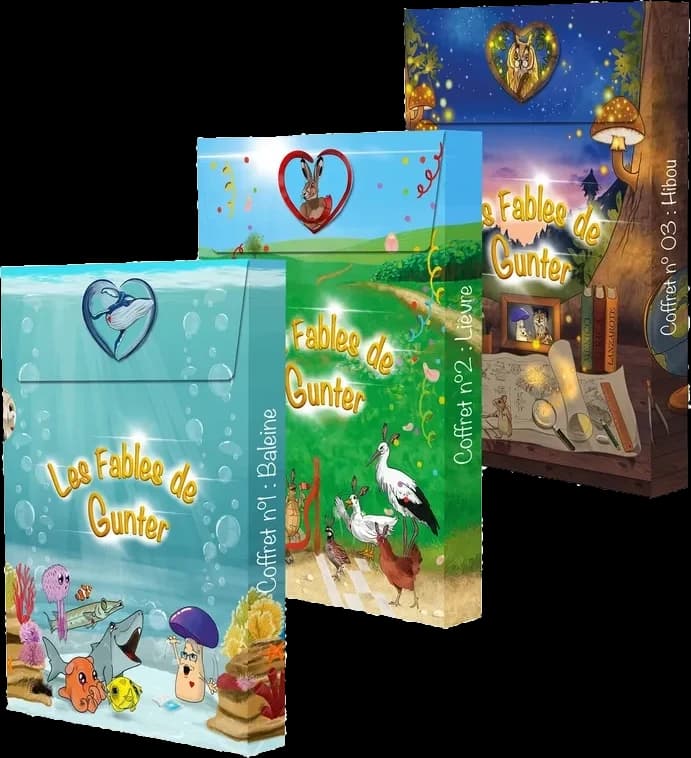
Le coffret Hibou, troisième coffret des Fables de Gunter, est disponible
Le coffret éducatif Hibou (03), troisième coffret des Fables de Gunter, est disponible sur la boutique blue-education.org au prix de 62,50 €. Cinq fables, un livret pédagogique pour les parents et les enseignants, des livres bilingues évolutifs de 3 à 15 ans imprimés sur du papier de pierre.

Masques de communication LiFi
En octobre 2025, la République de Palaos accueillera une première mondiale : la toute première conversation sous-marine retransmise en direct grâce à la technologie Li-Fi. Pour la première fois dans l'histoire, un chef d'État prendra la parole sous les vagues, aux côtés de l'apnéiste Merle Liivand.
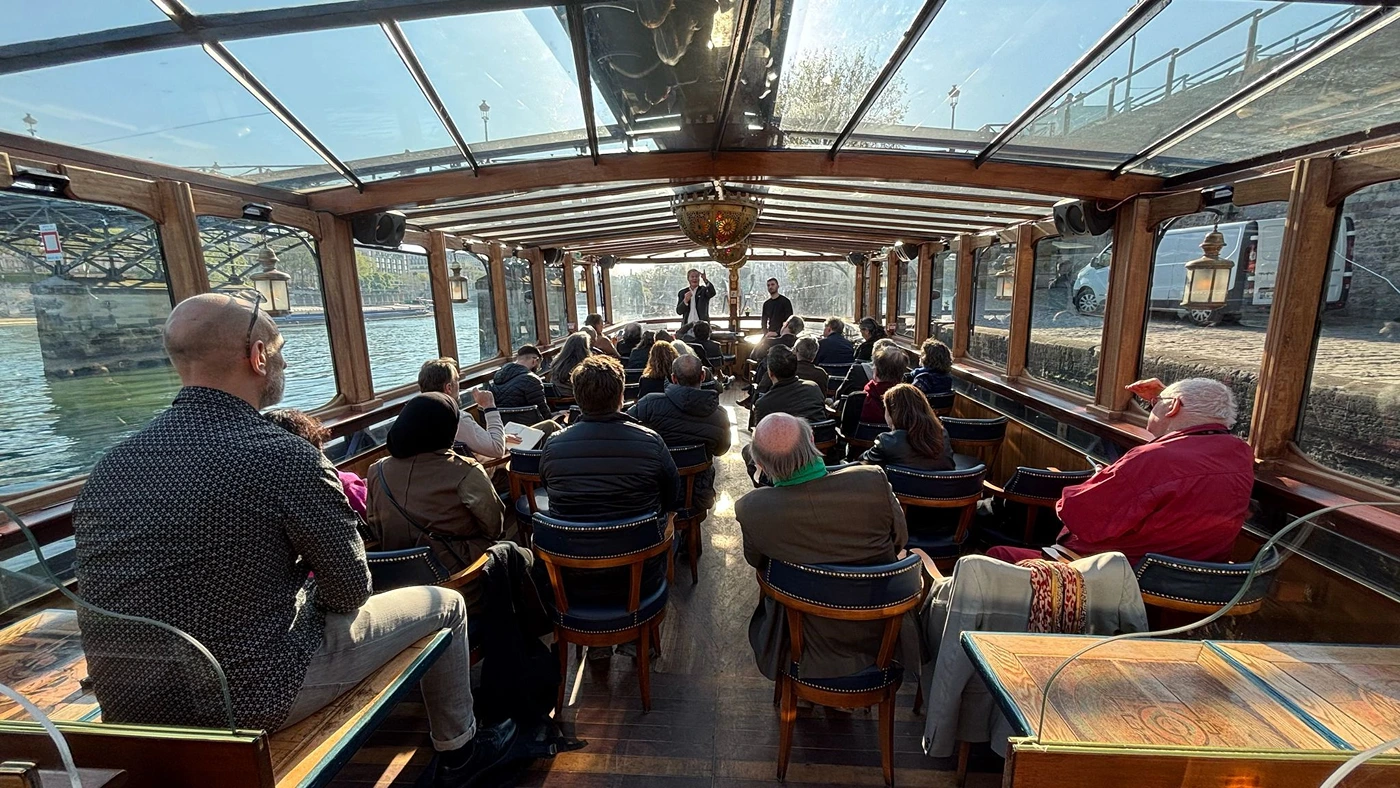
Rendez-vous le 9 septembre avec Gunter Pauli à Paris
La première rencontre de cette année a eu lieu de 8 Avril 2025 et a nourri de nombreux échanges très fructueux ! Retrouvez le récap de la première rencontre sur ce post LinkedIn. Le mardi 9 septembre 2025 à 9h00, embarquez sur la Péniche-restaurant Le Calife, amarrée au pied du Pont des Arts à Paris, pour une nouvelle édition des Rencontres de l'Économie Bleue.
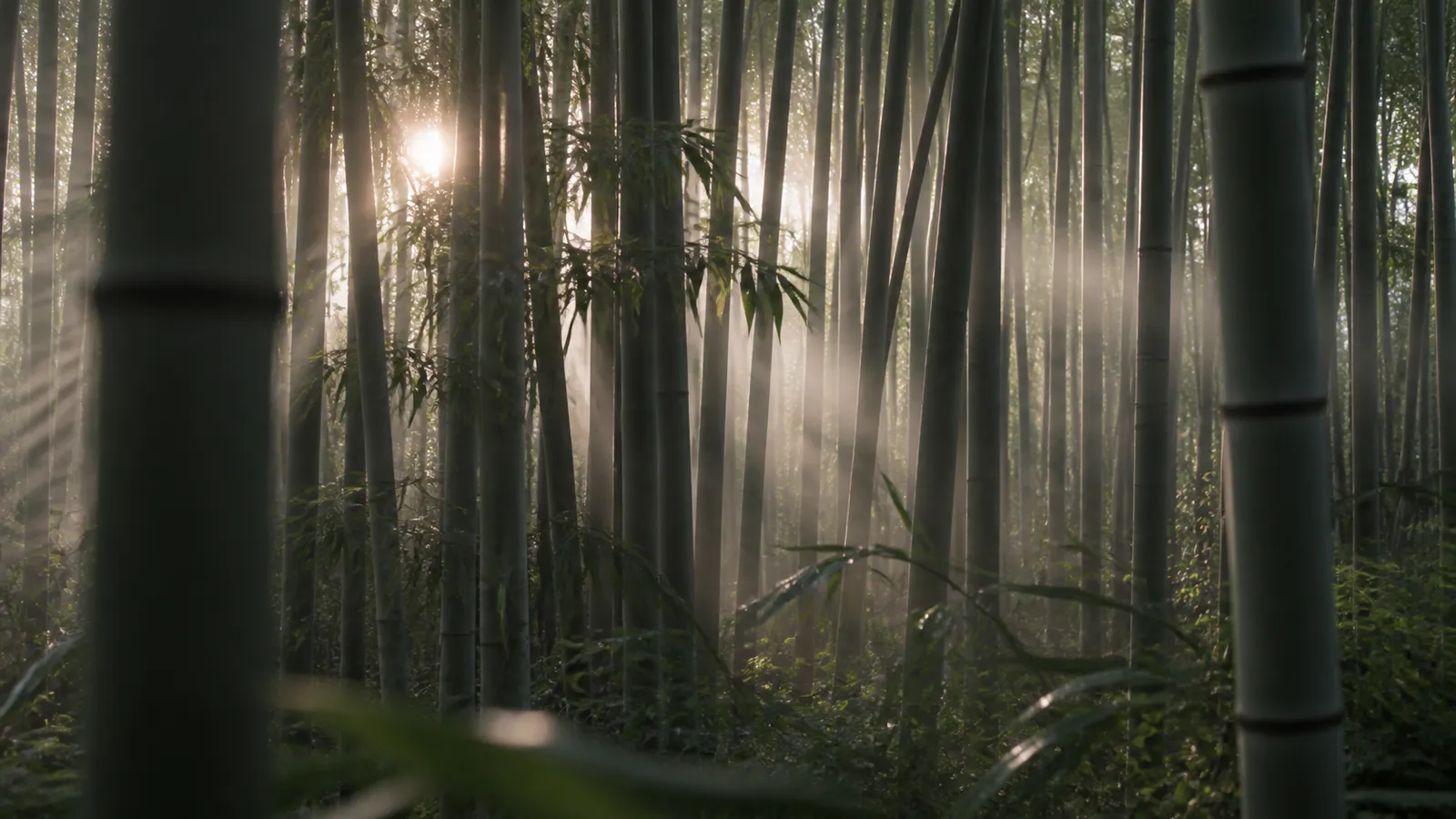
Bambou à Taïwan : l'alternative durable selon Gunter Pauli
Le 25 octobre 2024, Gunter Pauli était à Taipei pour une rencontre que nous avons vécue comme un moment riche et porteur de sens. Invité par l'Association des entreprises vertes de Taïwan, il a présenté avec simplicité et conviction le bambou comme alternative durable au plastique. Cette intervention s'inscrit pleinement dans notre démarche collective pour faire avancer l'Économie Bleue, en nous appuyant sur des solutions concrètes, accessibles et respectueuses des ressources locales.
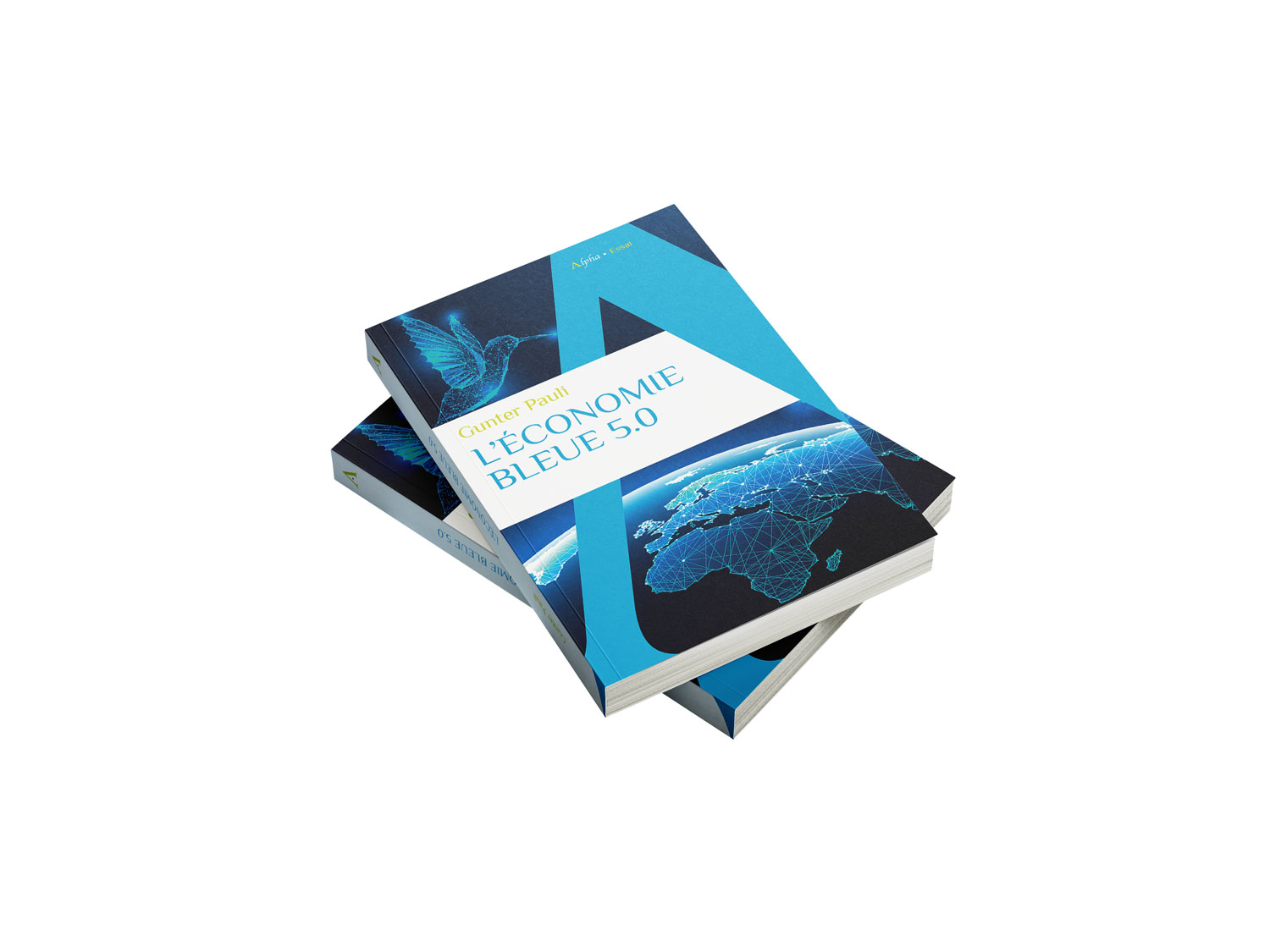
L'Économie Bleue 5.0 disponible en Français !
Le 5 mars 2025, nous sommes fiers d'annoncer la sortie tant attendue de L'Économie Bleue 5.0, le dernier opus de Gunter Pauli, publié par les Éditions Alpha. Imaginez un instant : un livre qui ne se contente pas de rêver un avenir meilleur, mais qui dessine une carte précise pour y parvenir, inspiré par la plus grande des architectes – la nature elle-même.

Les Fables de Gunter – Deuxième coffret disponible !
Est-ce que vous avez déjà vu un livre en pierre ? Je vous explique comment à la fin de cet article, Qu'est-ce que les Fables de Gunter ? Dans cette article, nous allons découvrir en moins de 5 minutes ce que sont les Fables de Gunter et peuvent apporter à tes enfants ou petits enfants ! Les Fables de Gunter c'est une collection de 365 Histoires, inspirées de la Nature.
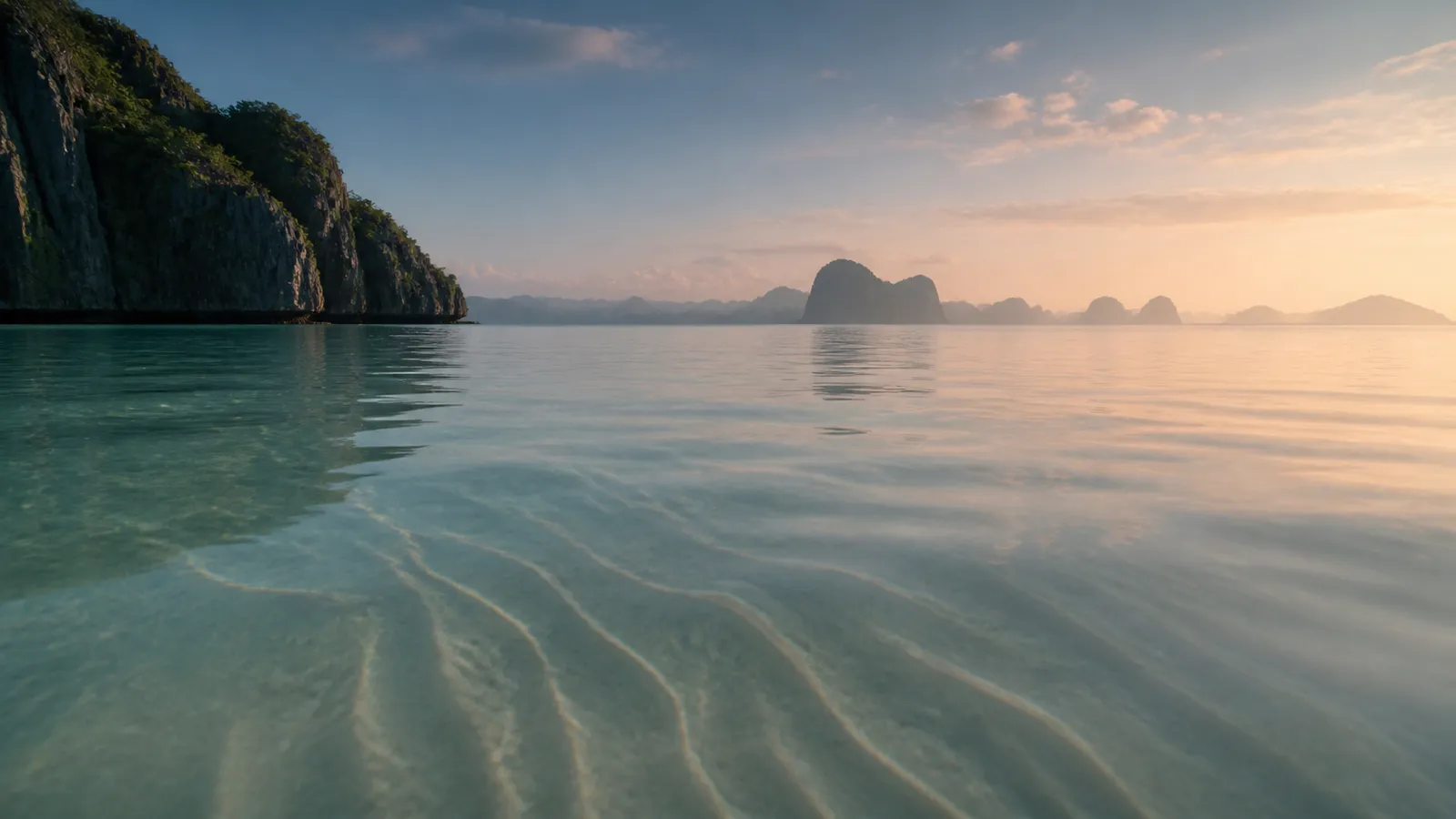
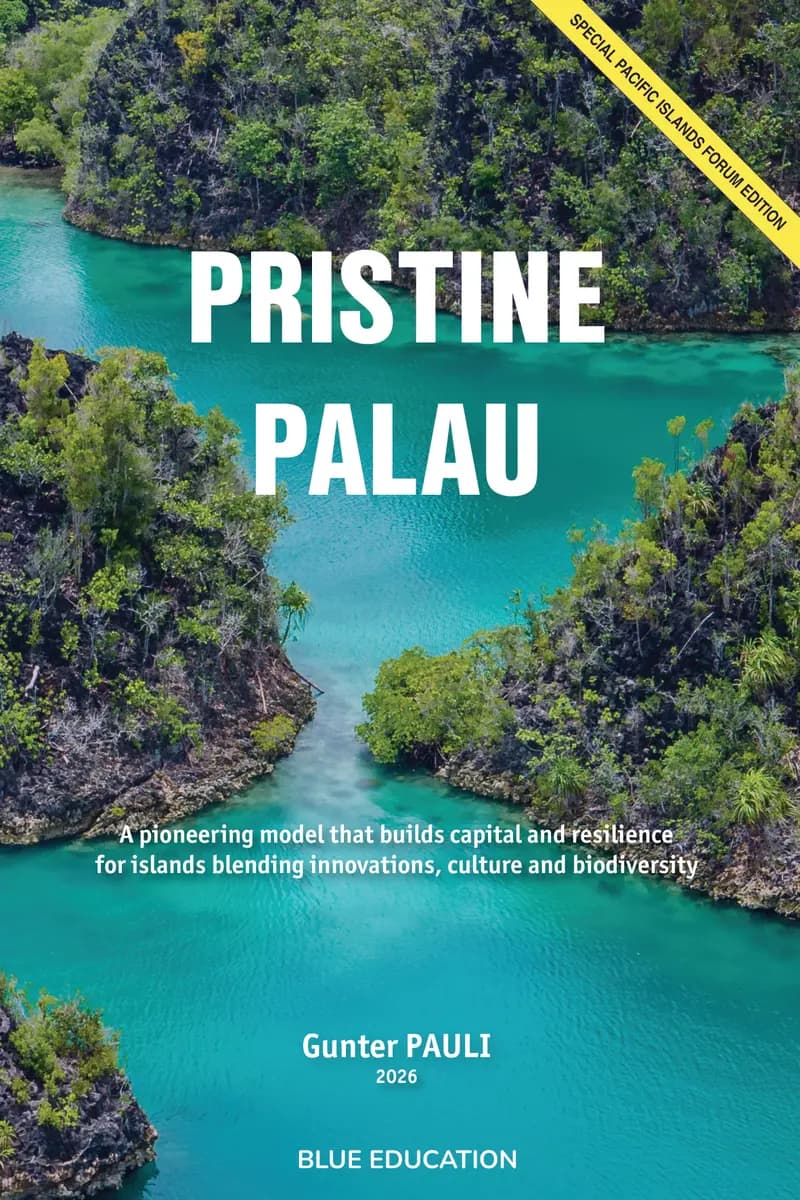
Pristine Palau – Communiqué de Presse
Koror, 17 mars 2025 (09h00 GMT+10). S.E. le Président Surangel S. Whipps, Jr. a reçu aujourd'hui le Professeur Gunter Pauli, l'auteur de l'Économie Bleue et un innovateur bien connu qui a présenté son dernier livre PRISTINE PALAU. Ce livre de poche de 200 pages est plein de surprises et d'innovations. Pauli, qui a conçu la croissance économique de pays comme l'Argentine et le Maroc, et qui a établi des stratégies réussies pour doubler la population sur des îles comme El Hierro (Espagne) et Bonaire (Caraïbes), présente un portefeuille d'opportunités
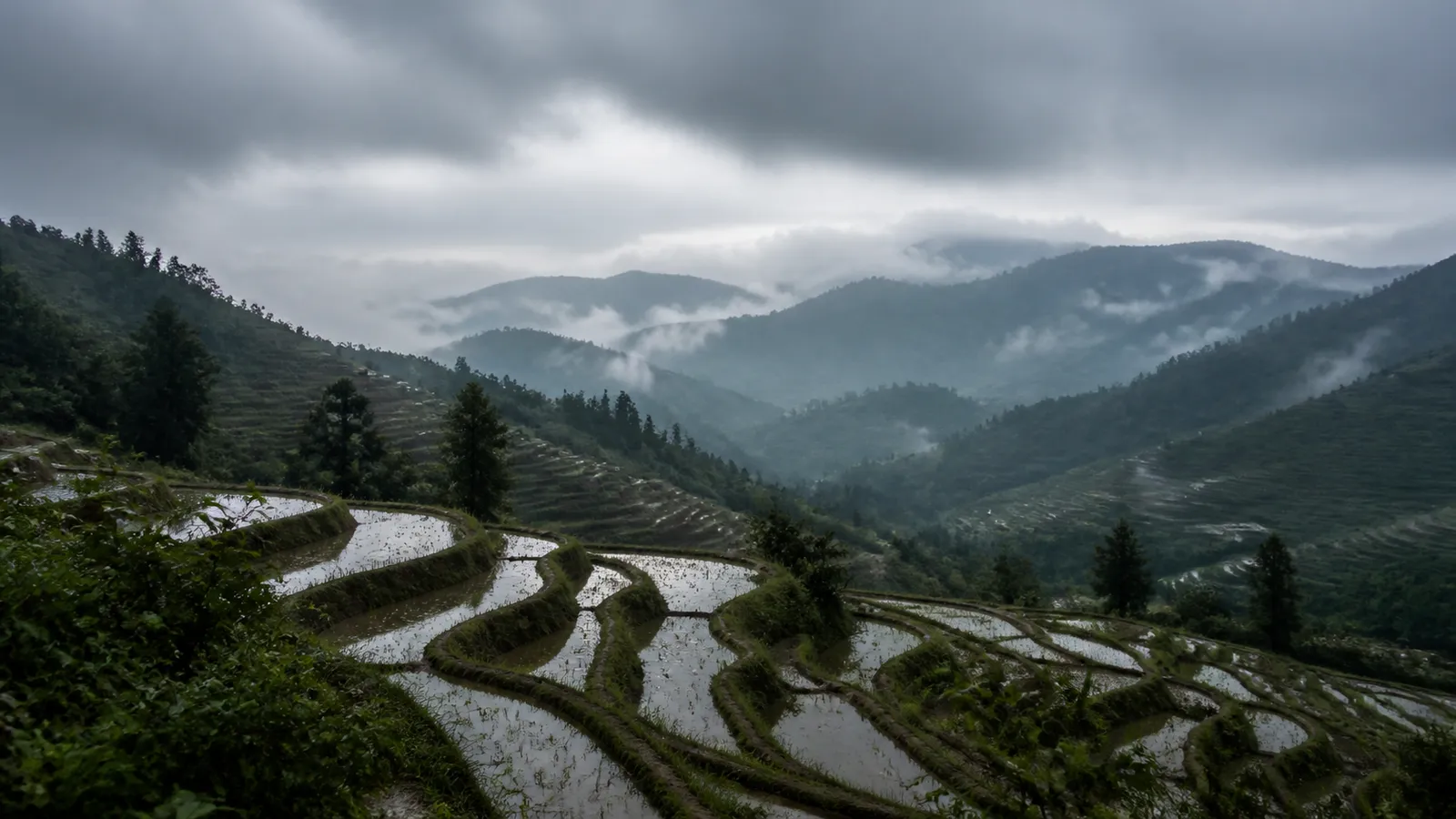
La Deuxième Révolution Verte à Portée de Main
Le Pays des Moussons abrite 1,3 milliard de personnes réparties sur 7 nations. Cela représente un cinquième de l'humanité. Près des trois quarts de la population vit en milieu rural. La moitié de la faim dans le monde se trouve en Asie du Sud. Les problèmes environnementaux sont énormes : dégradation excessive des terres, épuisement massif des forêts, qualité médiocre et rareté de l'eau, ainsi qu'une demande énergétique en forte augmentation.
It is unethical to settle for doing less bad.
If you were promised you would be robbed a little less over the next ten years, you would be outraged: you do not want to be robbed at all. The same is true for the planet: it is no longer about doing less harm, it is time to do good.
Neither red, nor green. Blue.
The Blue Economy as defined by Gunter Pauli is the regeneration of ecosystems in a logic of abundance and autonomy.
Red economy
Destructive · Linear · Dependence
Green economy
Protective · Circular · Less harm
Blue Economy
Regenerative · Ecosystemic · Abundance
Nature knows no waste, and everyone has a job.
The guiding principles
The Principles of the Blue Economy
The guiding principles behind every Blue Economy project. Not a utopia: a way to move from scarcity to abundance, from what is already available, right here before our eyes. Gunter Pauli keeps them evolving from edition to edition.
Be Continually Inspired by Nature
Natural systems cascade endlessly, and the term waste has no meaning: whatever seems worthless to one is a desired item for another. Once we truly embrace Nature as our inspiration, we see the opportunities that were right in front of us.
5 principles
Change the Rules of the Game
The Blue Economy does not merely embrace change, it designs for continuous change for the better. Multiple interconnected revenue streams shift competition to the level of the system, rather than the individual product or service.
7 principles
Focus on What is Locally Available
Whenever a problem emerges, the reflex is to bring in solutions, materials or products from elsewhere. Here it is the last option: aid and imports create dependency, while what is locally available creates autonomy.
7 principles
See Change as the Only Constant
The principles are only the beginning. The Blue Economy has no dogmatic axioms and no trademarked concepts: its practitioners embrace change as the only constant, and are prepared to unlearn what they have learned.
Since the 1990s · more than thirty years in the field
Where no one believed life was possible
A desert that harvests water from the air. Coffee grounds that feed whole families. A barren savanna turned back into forest. The Blue Economy is not a theory: it is a collection of proof gathered in the field, from the Andes to the Pearl River delta.
100,000 tonnes of spent coffee grounds become 10,000 tonnes of mushrooms, 50,000 tonnes of feed for chickens, and 1,000 to 2,000 jobs. Nothing is lost: everything cascades.
Mushrooms on coffee grounds
Growing mushrooms on the cellulose left in spent coffee: demonstrated by Shuting Chang, carried forward by Chido Govera. Thousands of women trained, from Zimbabwe to India.
Source [EB5.0 p.150-156]
Las Gaviotas
On the Vichada savanna, in Colombia, the forest replanted since 1984 protects the soil, recharges the water table and brings the rain back. A process that is physical before all else.
Source [EB5.0 p.447-448]
Songhaï Centre
Founded in 1984 by Father Godfrey Nzamujo in Porto-Novo, Benin: wastewater, biogas, plankton and fish in cascade. 450 jobs created.
Source [EB5.0 p.62]
El Hierro
Full protection of a spawning area, inside the island's biosphere reserve, restored the fish stocks in five years.
Source [EB5.0 p.140-141]
Gunter's Fables
Passing it on to children
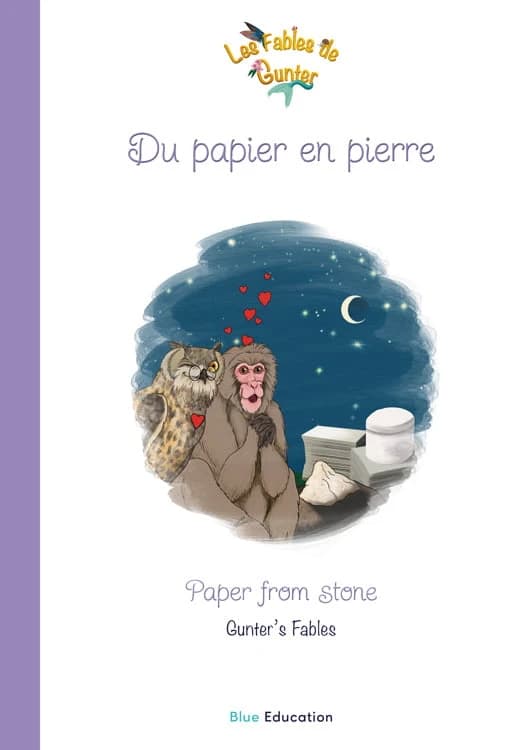
365 fables to learn the economy of life: more than 17 million copies distributed around the world, and one fable, The Strongest Tree, available in more than 100 languages. Each fable develops the child's five intelligences.
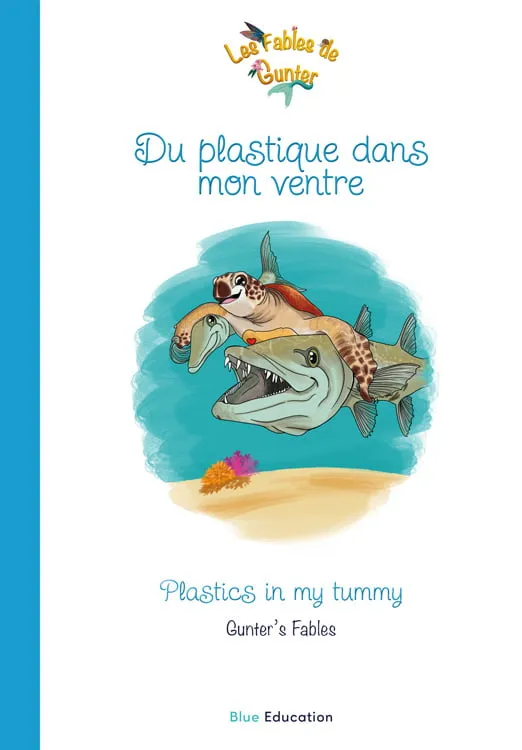
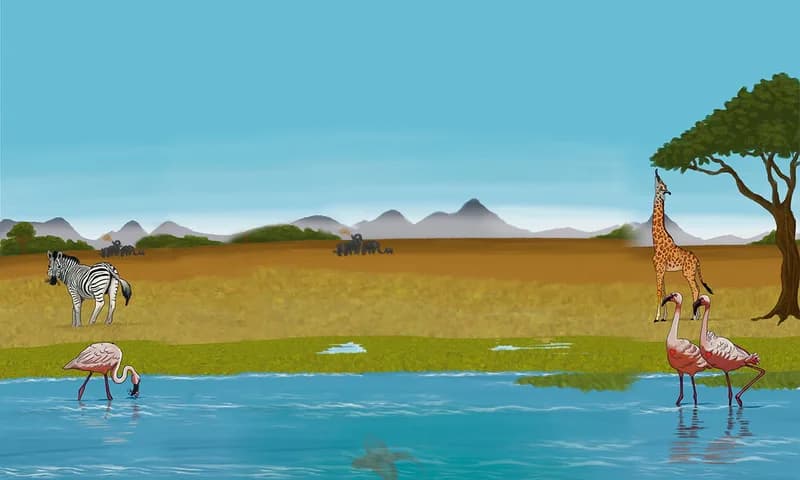
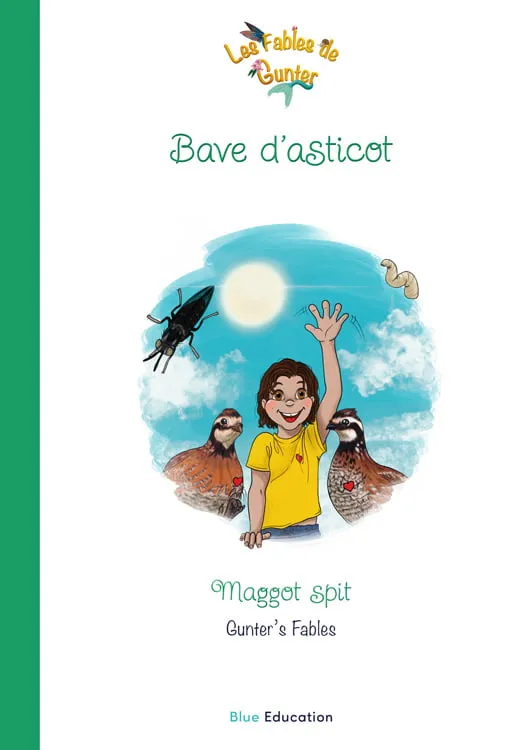
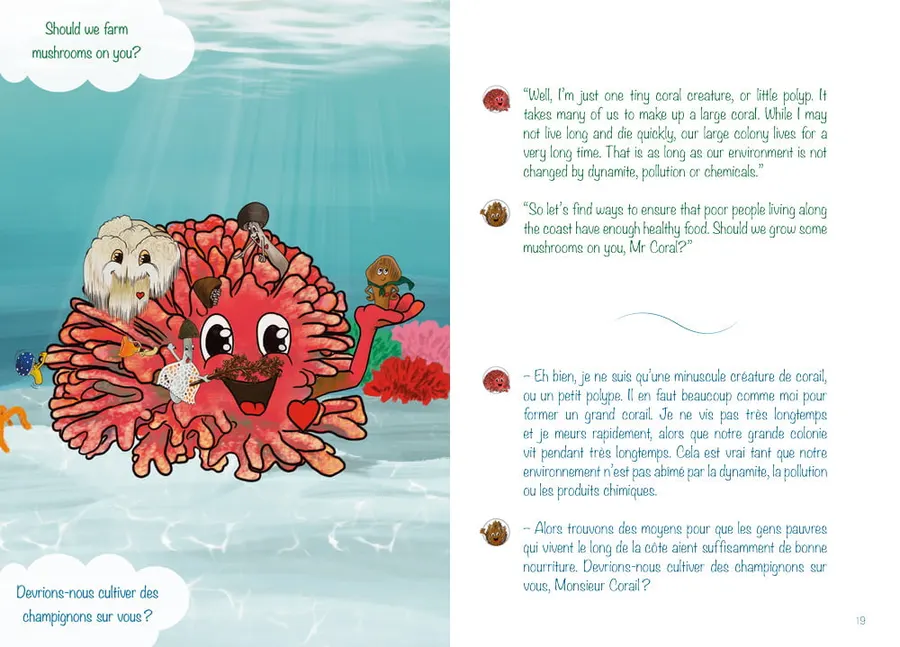
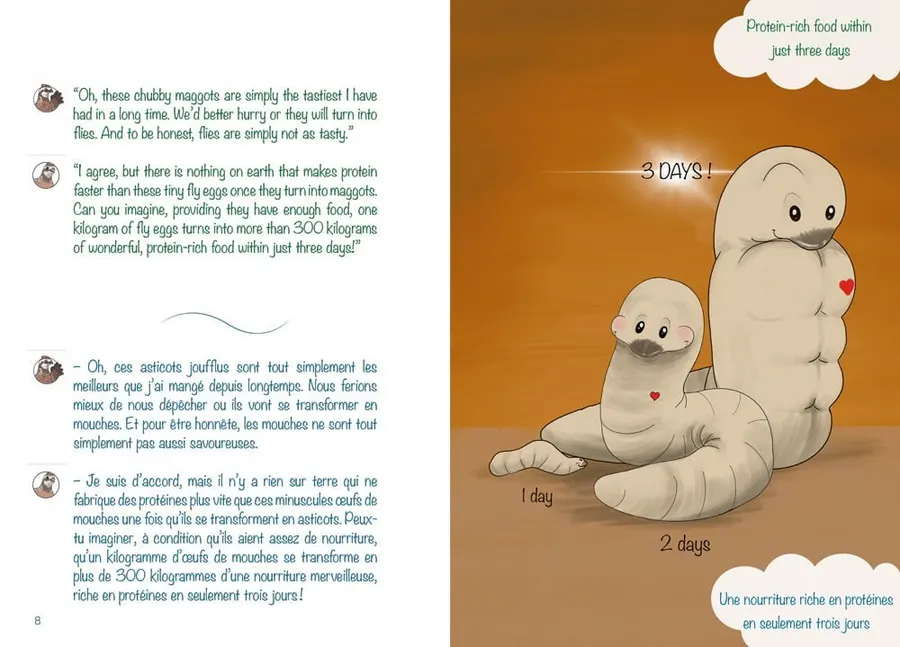
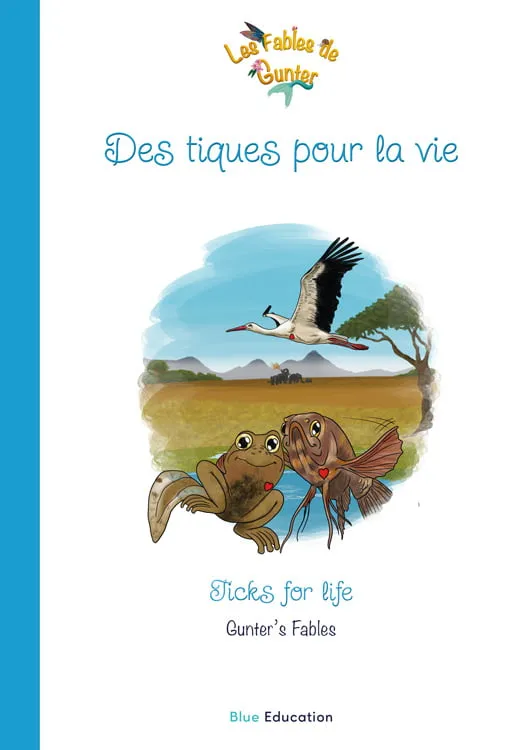
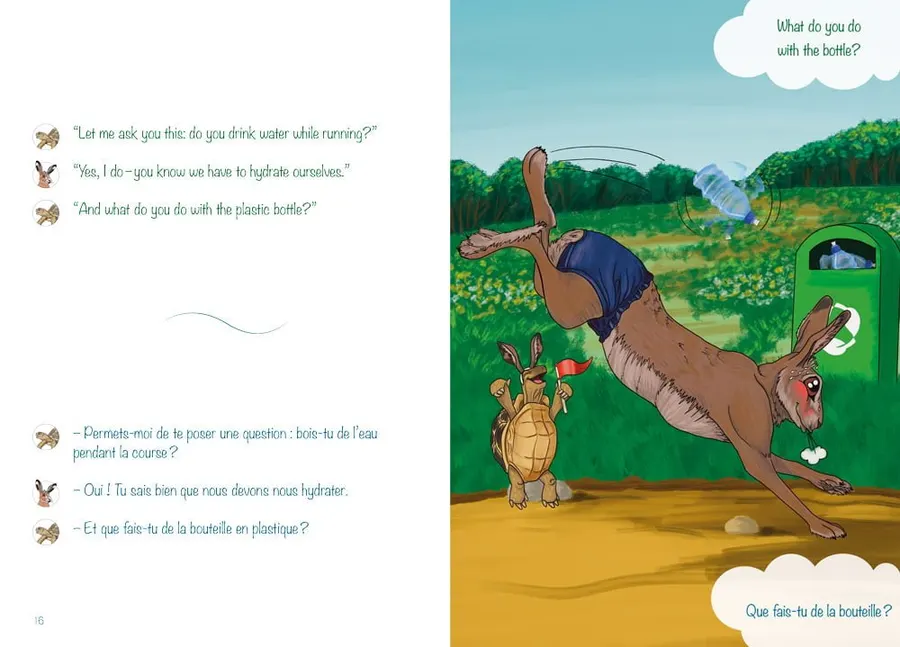
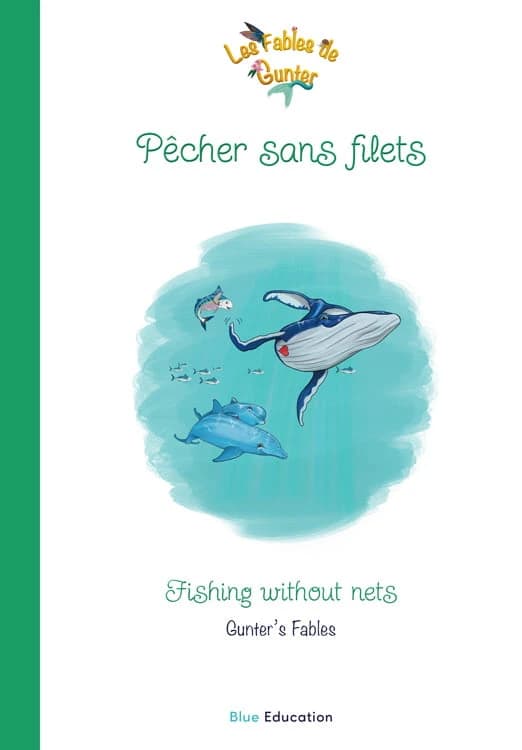
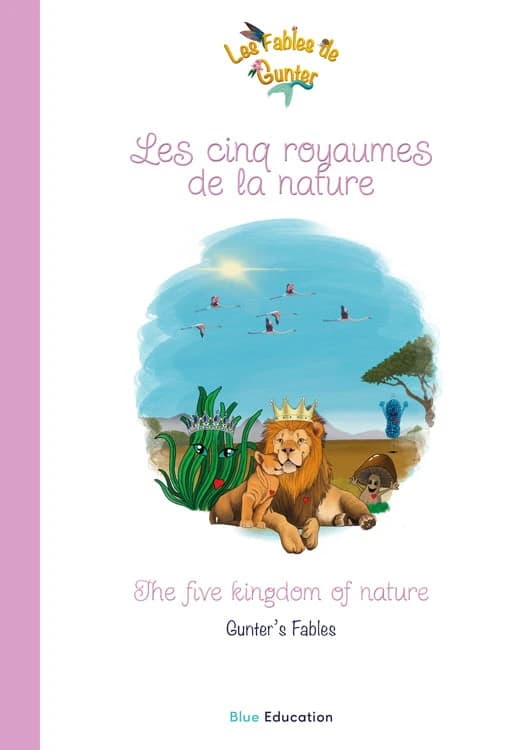
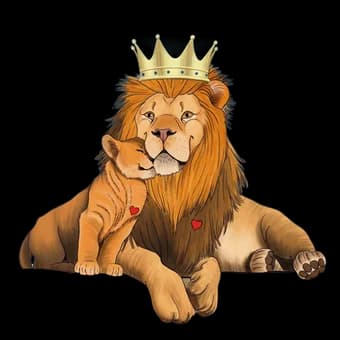
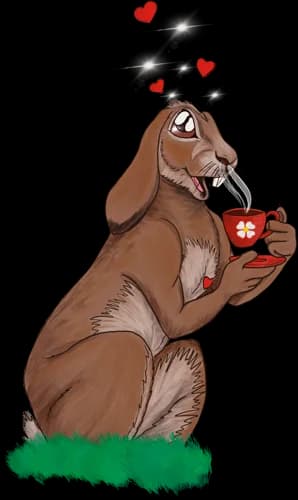
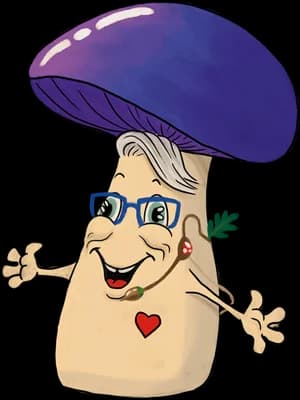
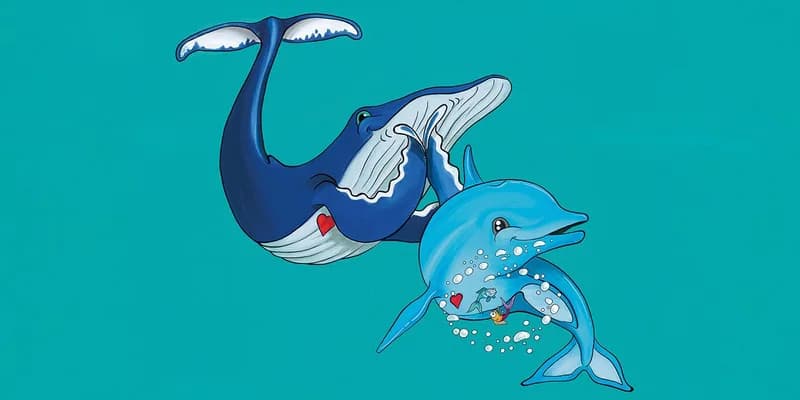
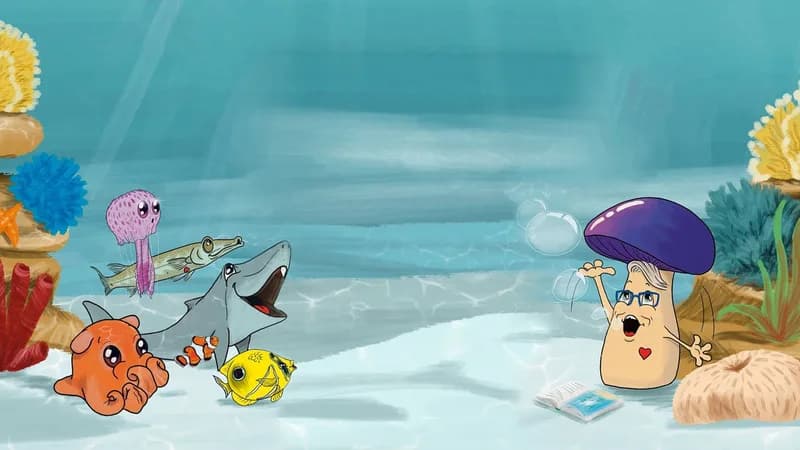
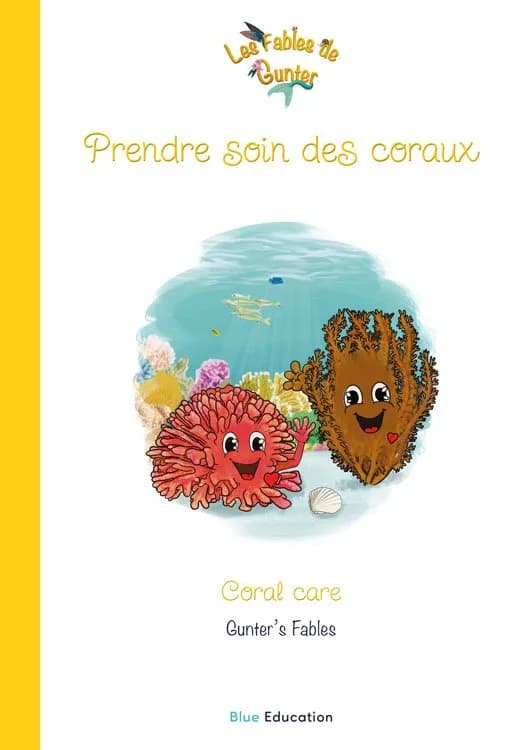
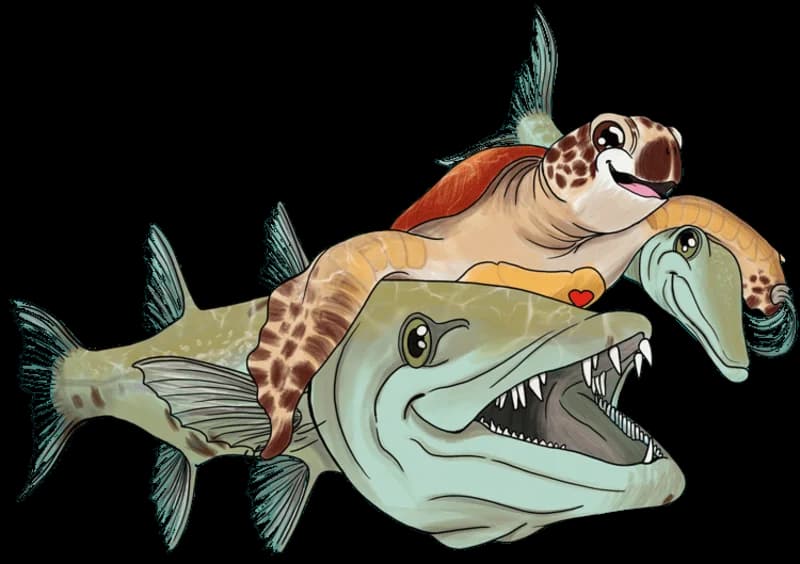
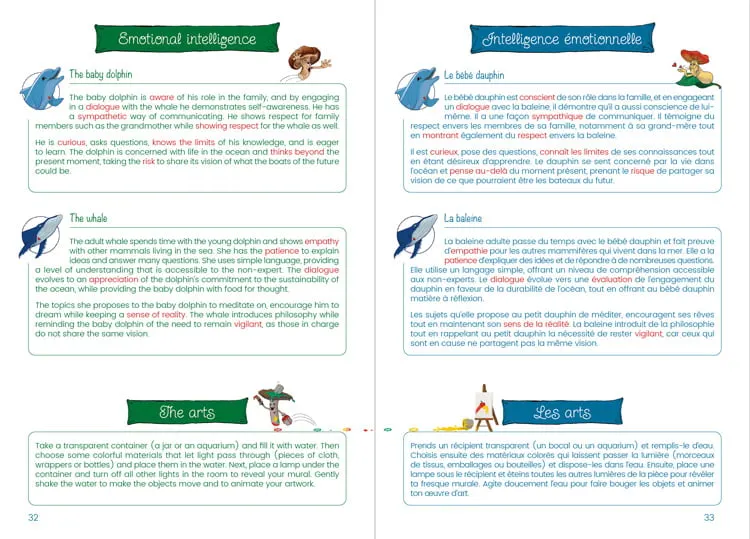
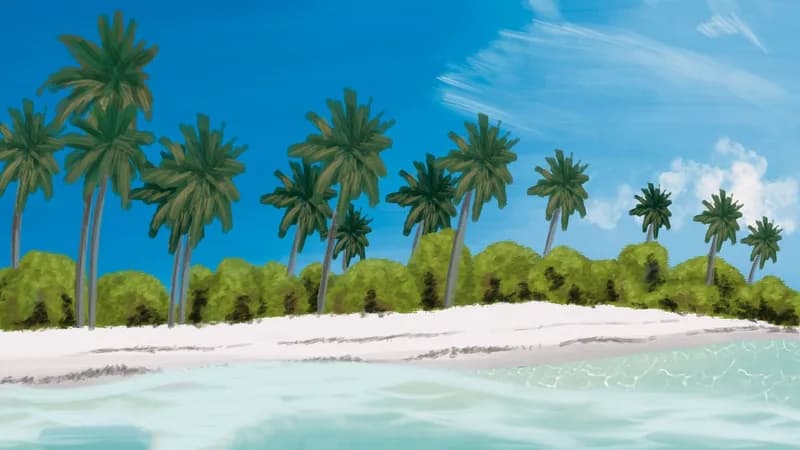
Original Fables artwork · guntersfables.org
The Blue Economy around the world
The interactive map
Hundreds of actors and initiatives, geolocated and linked to the principles they apply. A living view of regeneration, continent by continent.
Open the mapThe whole ecosystem
Knowledge, proof, actors and transmission: a single universe, all connected.
The actors
Gunter Pauli, the ZERI foundation, Blue Innovations, Blue Education: who carries the model.
DiscoverThe blog
Articles by Gunter Pauli and the team, carried over from the historic site.
DiscoverThe shop
Books, box sets and resources from Blue Education to go further.
VisitThe Blue Economy in your inbox.
The innovations, the real-world cases and news from the network. Unsubscribe in one click.