
Food · Other · Energy · Health
The library of the 112 cases
The 112 case studies documented by Gunter Pauli, taken from the historical site: 100 distinct innovations and 12 clusters that put those innovations into synergy. Each case is covered through its market, its type of innovation and the business model it generates.
Water · Energy
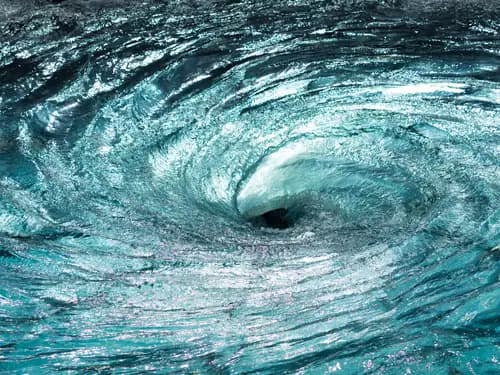
The global market for water treatment and drinking water production represents one of the safest investments ever made. Water is an essential commodity for society and industry. The availability of clean water is…
Read the case
Food · Health
According to one estimate, the amount of slaughterhouse waste worldwide is 200 million tons. The average weight of animal waste per capita in Europe is approximately 150 kg per person per year, bringing the continent's…
Read the case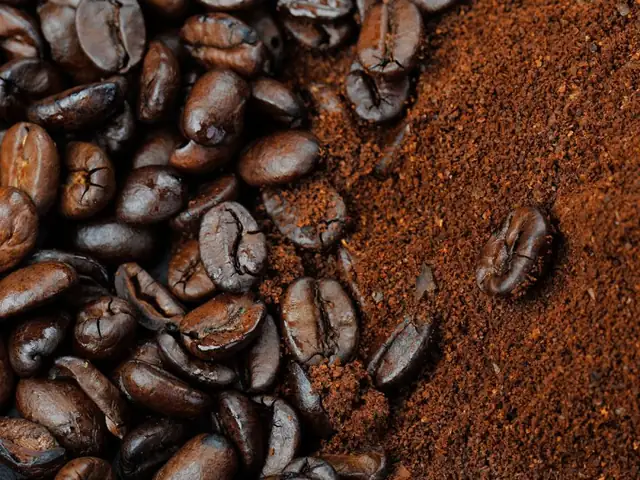
Food · Health
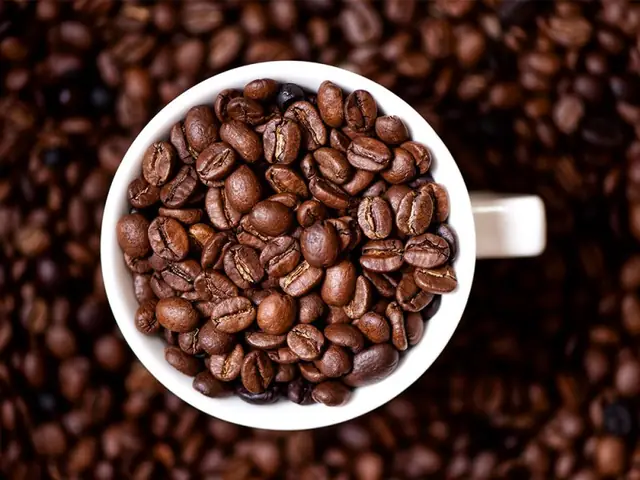
In 2009, the world consumed 126 million bags of coffee, representing 7.5 million tons of green beans ready for roasting. Few people realize that harvesting, processing, roasting, and preparing coffee releases…
Read the case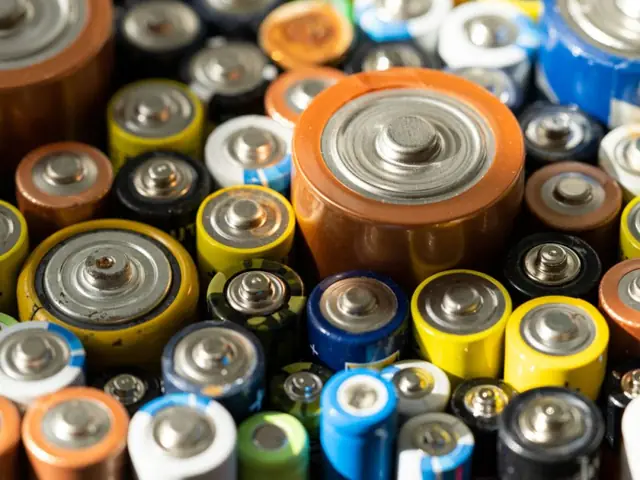
Energy · Health
In 2009, the world discarded approximately 40 billion small batteries. This fueled demand for rare metals. Cobalt is essential for rechargeable batteries. The Prius hybrid would never function without neodymium.…
Read the case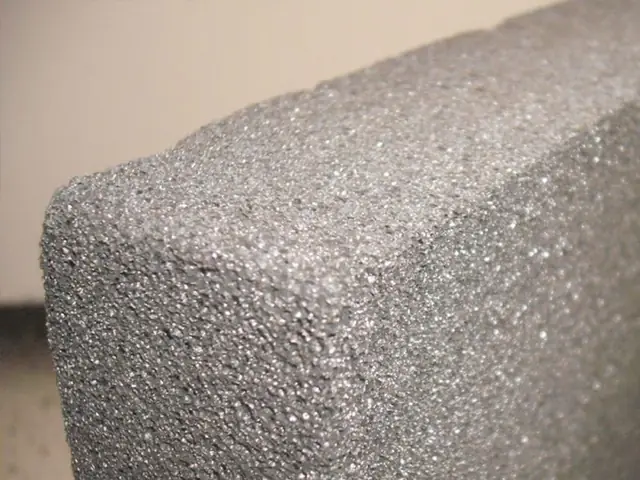
Energy · Housing
It is estimated that the world uses 3.2 trillion containers of all types each year to package food and beverages—and this number continues to grow. Almost all of it ends up as waste. Glass is a minor component. Each…
Read the case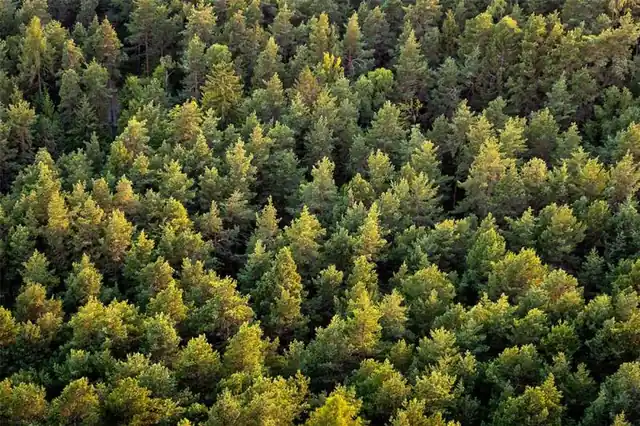
Energy
Global production of pine resin is approximately 1.5 million tons. The resin is processed into rosin and used as an ingredient in the paper, paint, ink, adhesives, and turpentine industries, as well as in the production…
Read the case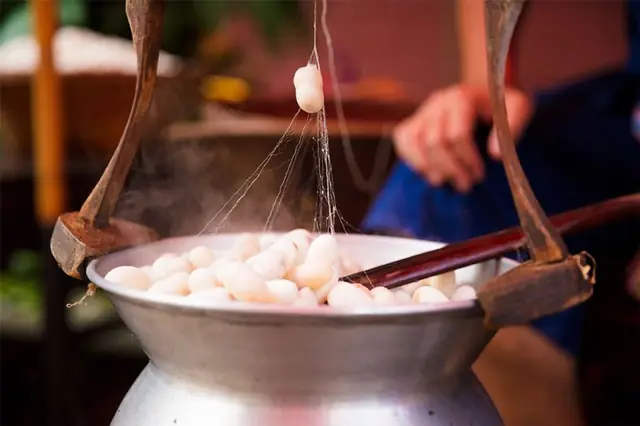
Other
The global market for biocompatible polymers is estimated at $10 billion. According to the German Nova Institute, demand for bio-industrial plastics and composites is experiencing double-digit growth despite the…
Read the case
Other
The global market for color pigments and dyes is currently estimated at $20 billion. China has become the world's largest producer. Textiles are the biggest consumer, while demand growth is driven primarily by printing…
Read the case
Other
The United States discarded approximately three billion electronic devices over the past decade. The volume has increased to 450 million units of e-waste annually. American consumers dispose of more than 110,000…
Read the case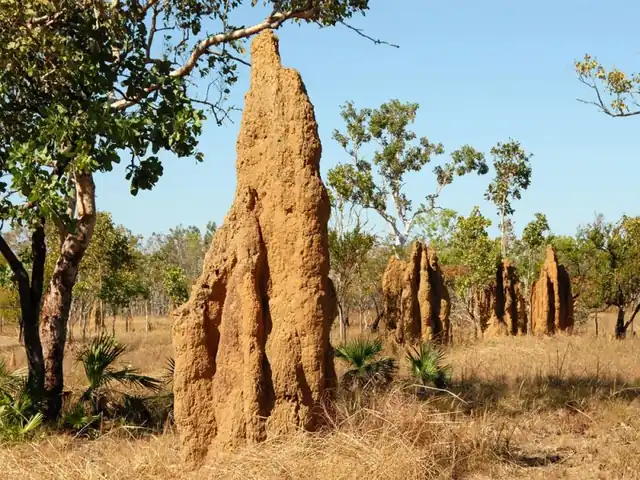
Other
The global air conditioning market is valued at $62 billion, with the residential sector accounting for $39 billion and over 45 million units installed annually. Temperature control is one of the main costs of building…
Read the case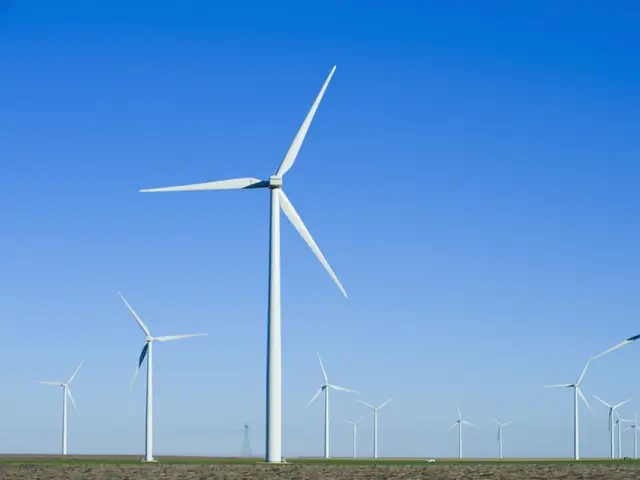
Energy
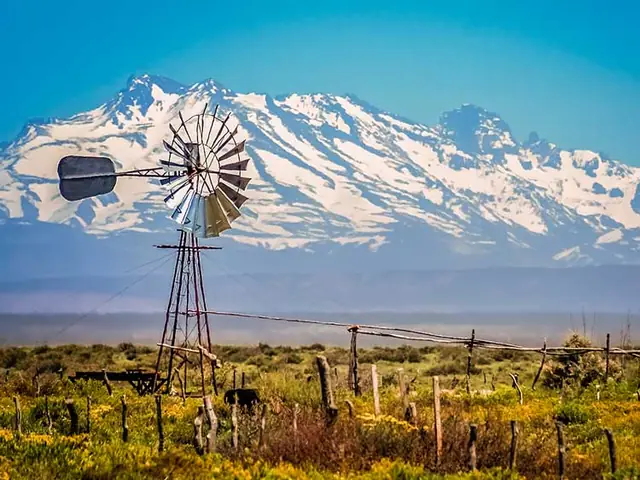
The total energy stored in the wind is one hundred times greater than what humanity needs today. It is not surprising that electricity generated from wind power increased worldwide between 2006 and 2010 at an average…
Read the case
Energy
The global market for turbines and related products, such as engines and generators, was valued at over $100 billion in 2012. Strong growth in aircraft manufacturing and power generation is driving demand. While 70% of…
Read the case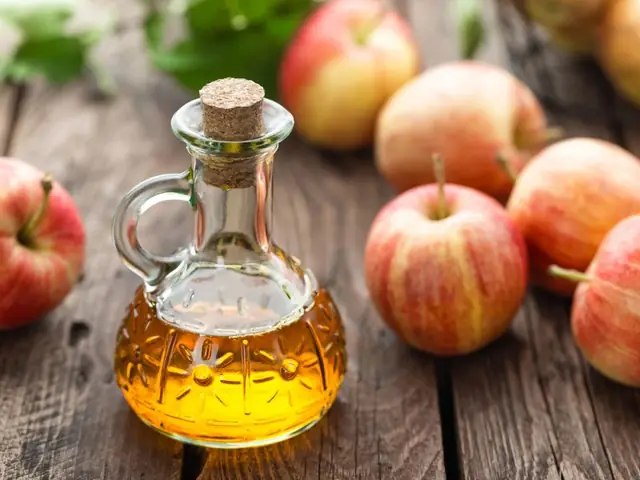
Food · Water · Health
The global market for antibiotics and antifungals surpassed $25 billion in 2005 and is projected to reach $40 billion in the decade ending in 2015. While the overall market is expanding, advanced geographic regions such…
Read the case
Energy
The global heating, ventilation, and air conditioning (HVAC) market will exceed $70 billion in 2012. Global demand for equipment will increase by 5.8% annually. The Asia-Pacific region will outpace the rest of the…
Read the case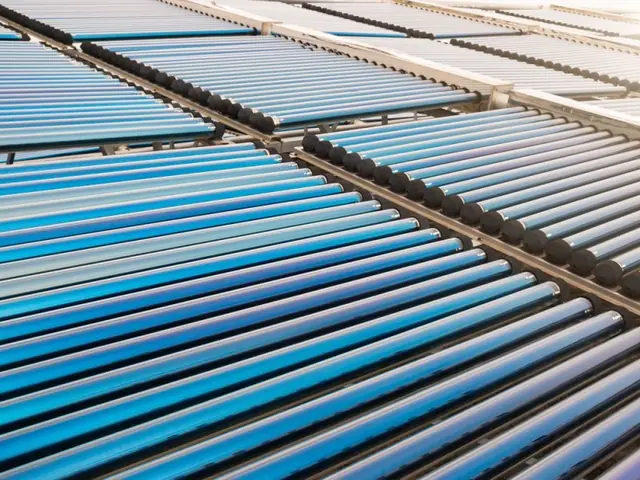
Water · Energy
The global market for solar water and space heating will reach nearly 1.2 billion square meters of installed capacity over the next decade, according to Lester Brown, founder of the Earth Policy Institute. If other…
Read the caseFood · Other · Energy · Health

Food · Energy
Today, the global canned food market has reached a turnover of over $500 billion. The processed food market represents 32% of the total food market. The United States alone accounts for approximately half of this…
Read the case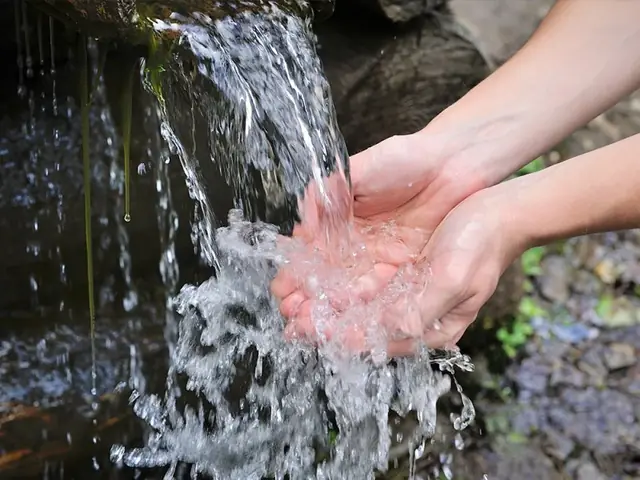
Water · Energy
Although our planet appears to have approximately 1.4 billion cubic kilometers of water, 97% is saltwater, 2% is frozen as glaciers, and only 1% is available as drinking water. Therefore, recycling our wastewater is…
Read the case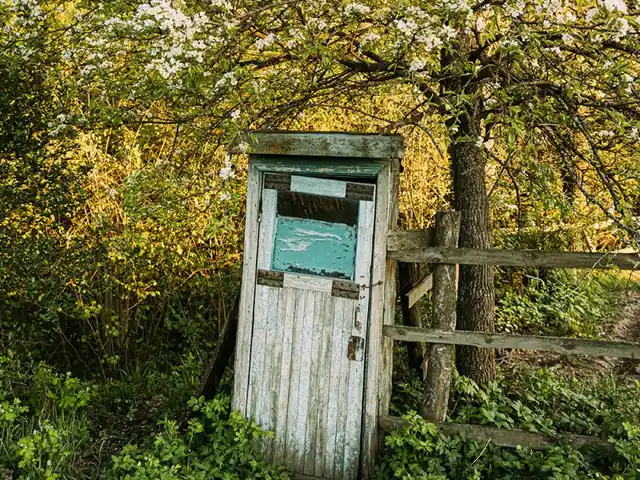
Water · Energy · Housing
Today, the global market for water-based sanitation products and services is estimated at $124 billion. While 1.6 billion more people have gained access to water and sanitation since 1990, a total of 2.5 billion still…
Read the case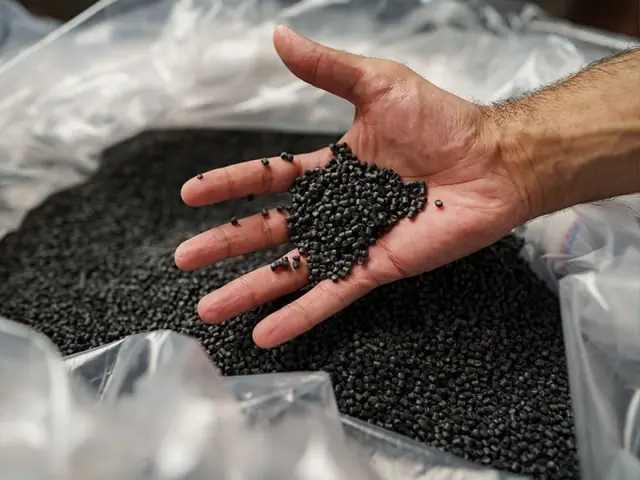
Other · Energy
The global market for biodegradable plastics is expected to experience double-digit growth by 2015, reaching approximately $6 billion. If current trends continue, this figure will double again, reaching an estimated $12…
Read the case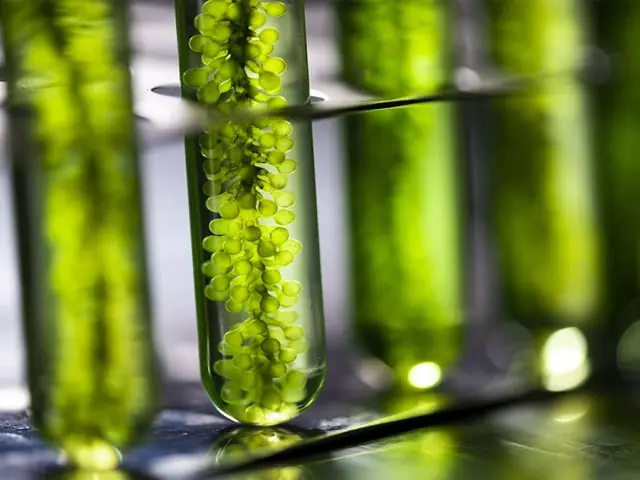
Energy
Global demand for biodiesel is projected to exceed 10 billion gallons per year by 2015. Currently, 30 countries have implemented biofuel targets and are blending biodiesel with regular gasoline. Europe is moving towards…
Read the case
Energy

Water

Energy

Energy
Food · Water · Energy

Food

Energy
Energy
Food · Water
Health
Food
Food · Energy

Food

Health

Water
Water · Energy · Housing

Health

Water
Energy

Energy
Energy

Energy
Housing
Energy
Housing
Food
Food
Food · Housing
Energy
Energy
Housing
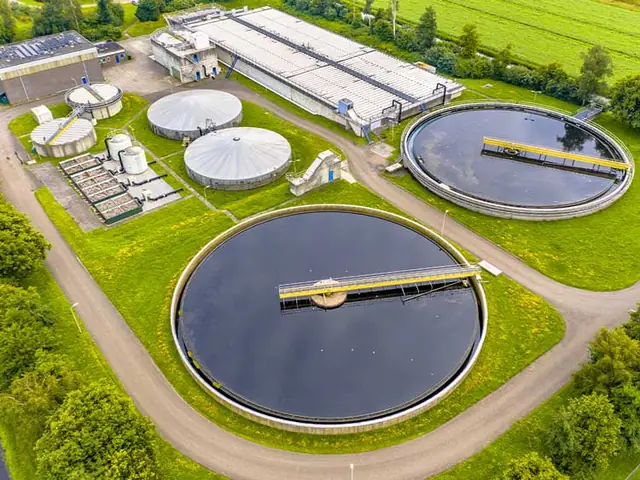
Solid waste generated annually in urban areas worldwide exceeds 10 billion tons, less than half of which is collected and disposed of. Municipal solid waste (MSW) management is currently valued globally at over $300…
Read the case
Housing

Other
Energy

Energy · Health

Health

Energy
Energy

Energy

Other

Other
Chlorine is one of the most abundant elements in the biosphere, representing approximately 2% of the ocean's water mass. Global production reached around 50 million tons, with an estimated turnover of $30 billion in…
Read the case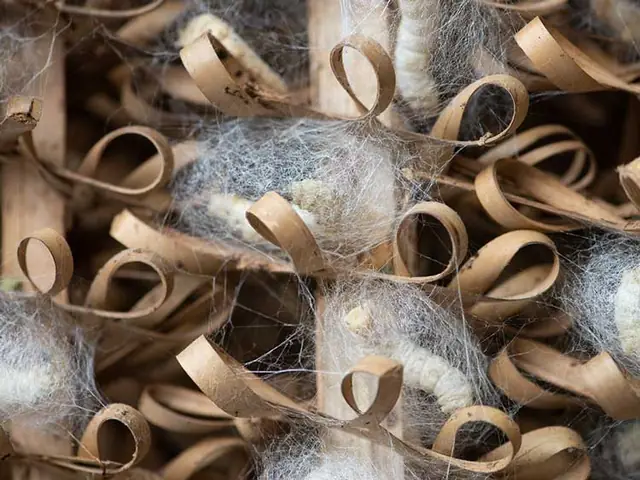
Other
Other
Other

Other
Other

Other
Other

Other

Other
Other

Other
Other

Other
The global asphalt and bitumen market is expected to reach 124 million metric tons in 2011, with estimated sales of $74.4 billion. Prices were as low as $115 per metric ton delivered to the refinery in 1999, rising to…
Read the case
Other
Other
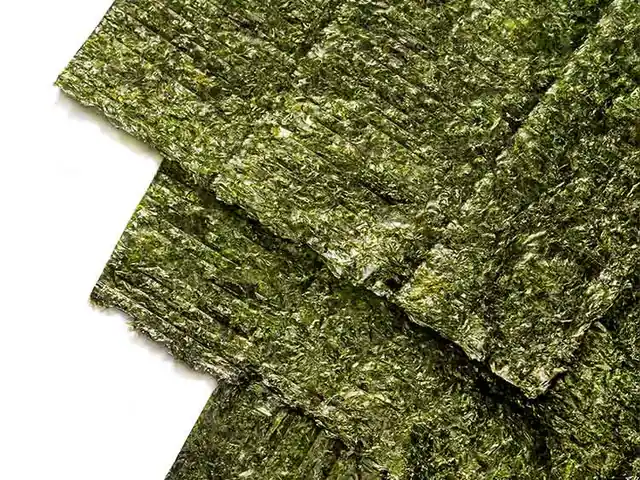
Global production of natural fibers from plants and animals reached $50 billion in 2010, totaling 35 million tons, of which 23 million tons were used for textiles and clothing. The remaining 12 million tons were used in…
Read the case
Other

Other
Other

Other
Other
Other
Other

Other
The Food and Agriculture Organization of the United Nations (FAO) reported that 93.3 million tons of fish were landed from commercial fisheries in wild fisheries, valued at $150 billion, with an additional 48.1 million…
Read the case
Other

Other
Other

Other

Other
Other

Other

Other

Other
The global market for contraceptives was estimated at $15.5 billion in 2010 and is projected to reach $19.2 billion in 2017. The market is increasingly attractive to pharmaceutical companies looking to re-enter, as…
Read the case
Other
Other

Other
Other

Other

Other
Global revenue generated by international management consulting firms was estimated by IBISWorld in 2011 at $313 billion, excluding information technology and IT consulting services. There are approximately one million…
Read the case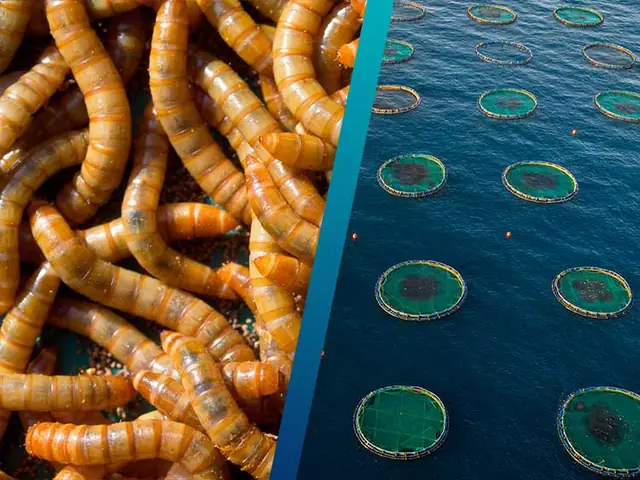
Maggot farming is a viable business on several levels. Maggots can process offal and then be used as livestock feed. They have a higher protein content than conventional soy-based feed. This could significantly reduce…
Read the case
Currently, the main natural fiber used in the textile industry is cotton. However, cotton also happens to have an incredibly large ecological footprint due to the way it is cultivated. The search for alternative fiber…
Read the case
There are many viable approaches to green building design, from harnessing nature's principles, such as termite and zebra climate control, to using bamboo, which will be discussed in a future article. One such approach…
Read the case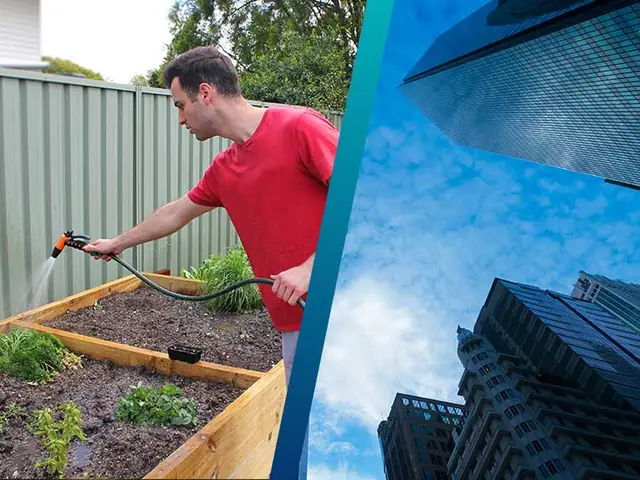
A large portion of the world's less privileged population lacks easy access to fresh, healthy fruits and vegetables. As rural areas become increasingly depopulated and cities expand to overflowing, food security is…
Read the case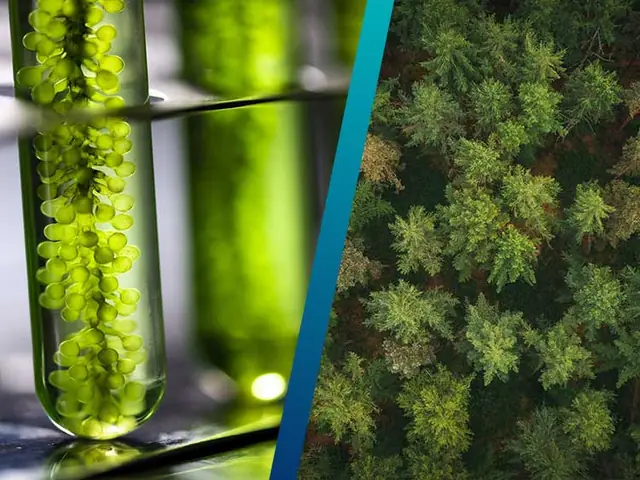
There are many methods for creating biofuels and renewable energy sources for growing or struggling economies, but few viable solutions offer low carbon emissions with the least possible negative impact on the…
Read the case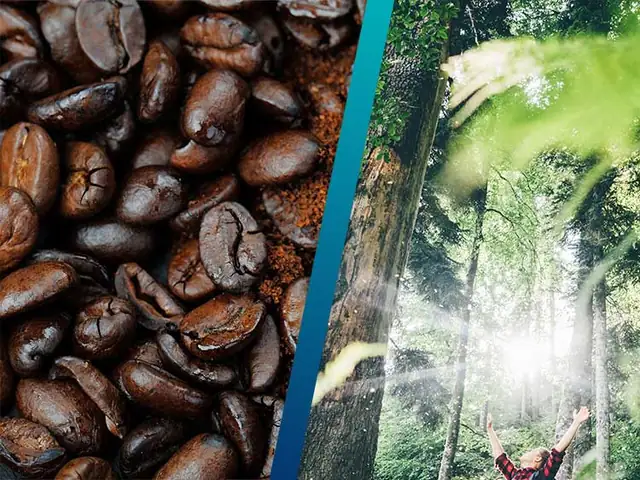
The demand for nutritional sources to feed the world's population continues to grow, and to meet this demand, industries have resorted to genetic modification or intensive farming practices to ensure higher yields per…
Read the case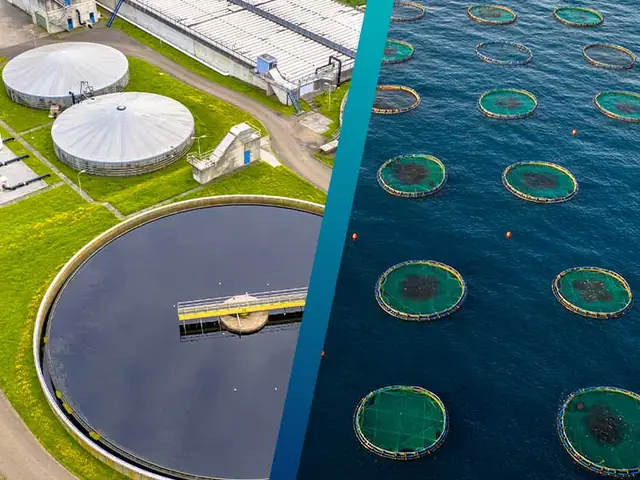
Today's societies are heavily reliant on oil, and the transition to more renewable and sustainable ingredients presents a significant challenge. Biorefineries are central to achieving this shift by utilizing biomass…
Read the case
Most of us are familiar with the old adage "the rich get richer and the poor get poorer," and the truth is that this will never change as long as current business models, particularly regarding affordable housing and…
Read the case
Beer brewing is a global business, but the amount of waste it produces is staggering. Only 8% of the starch is used, and the remaining 92% of the spent grains, which contain fiber and protein, are generally wasted.…
Read the case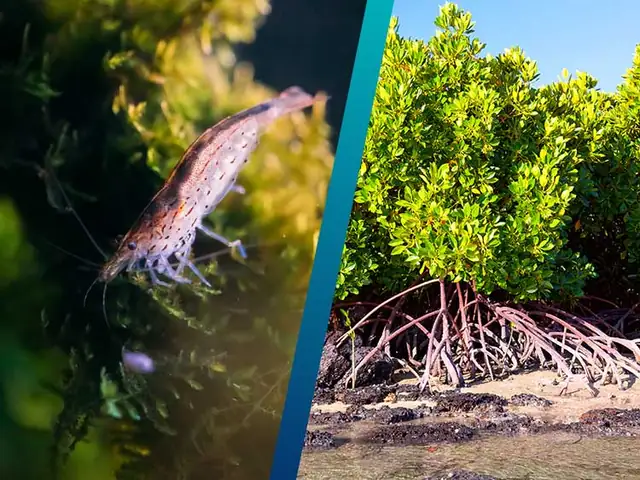
Mangroves represent a unique ecosystem at the crossroads of four distinct life forms: aerobic, anaerobic (due to tides that vary water levels, exposure to air, or immersion in water), and saltwater and freshwater (due…
Read the case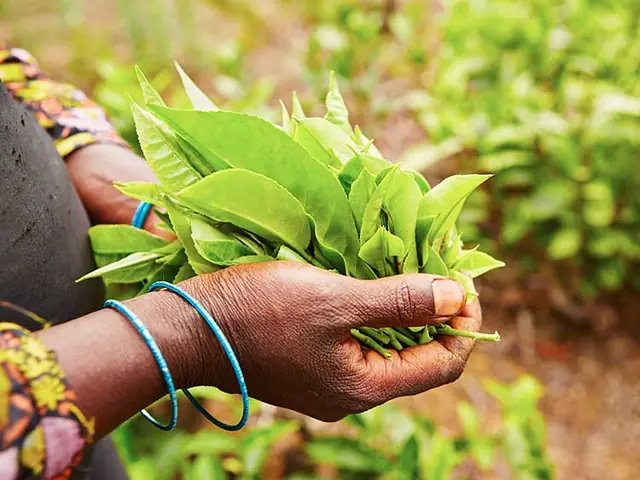
Transforming an organic tea estate in Assam, India, into an economic powerhouse: setting new standards for park management; strengthening the community. Written by Gunter Pauli, author of "The Blue Economy," March 1…
Read the case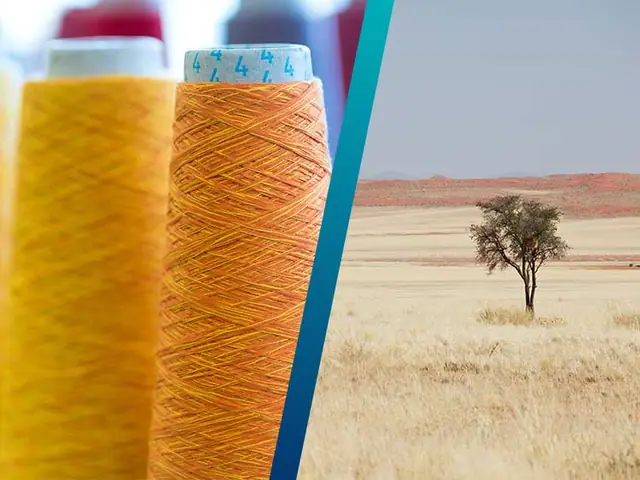
Cashmere and Savanna Regeneration: If you buy a cashmere sweater online, PayPal, which secures your electronic funds transfer, will earn as much money from the sale as the sheep farmer who had to endure winter months…
Read the caseLibrary taken from theblueeconomy.org, without rewriting. Cases whose text the original site does not publish appear here without a dedicated page.
Initiatives followed on the ground, with their current status fact-checked: successes as well as failures.
Écovillage autosuffisant du Vichada colombien, fondé par Paolo Lugari en 1971.
En plein essorRead the caseCentre de formation et d'agriculture intégrée fondé par le Père Godfrey Nzamujo à Porto-Novo en 1985.
En activitéRead the caseCulture de champignons sur marc de café lancée par Chido Govero au Zimbabwe en 1995.
En plein essorRead the caseÎle des Canaries visant l'autonomie électrique 100 % renouvelable, opérationnelle depuis 2014.
En activitéRead the casePionnier belge des produits d'entretien écologiques, fondé en 1979. Gunter Pauli a dirigé l'entreprise et bâti son usine écologique au début des années 1990.
En activitéRead the caseArchitecture durable en bambou guadua, portée par Simon Vélez en Colombie depuis 1990.
En activitéRead the caseProcédé de fabrication de papier à partir de poudre de pierre, développé à Taïwan vers 2000.
En activitéRead the caseSerres à dessalement solaire pour cultiver des tomates en zone aride (Australie, 2010).
RepositionnéRead the caseRéseau de recherche « zéro émission » (Zero Emissions Research and Initiatives) fondé par Gunter Pauli en 1994.
En activitéRead the caseConvention 2016 entre la CCI de Bretagne Ouest et la Fondation ZERI pour développer l'économie bleue en Finistère.
ArrêtéRead the caseThese cases, and hundreds of others, are mapped on the interactive map.
View the cases on the map