
Guiding principles · 2026 Edition
The Principles of the Blue Economy
Gunter Pauli summarised The Blue Economy approach into a set of guiding principles. Nothing is cast in stone: the principles grow and adapt every time they are applied, and this is the 2026 Edition. Four axes organise them: be continually inspired by Nature, change the rules of the game, focus on what is locally available, and see change as the only constant.
Be Continually Inspired by Nature
Natural systems cascade endlessly, and the term waste has no meaning: whatever seems worthless to one is a desired item for another. Once we truly embrace Nature as our inspiration, we see the opportunities that were right in front of us.
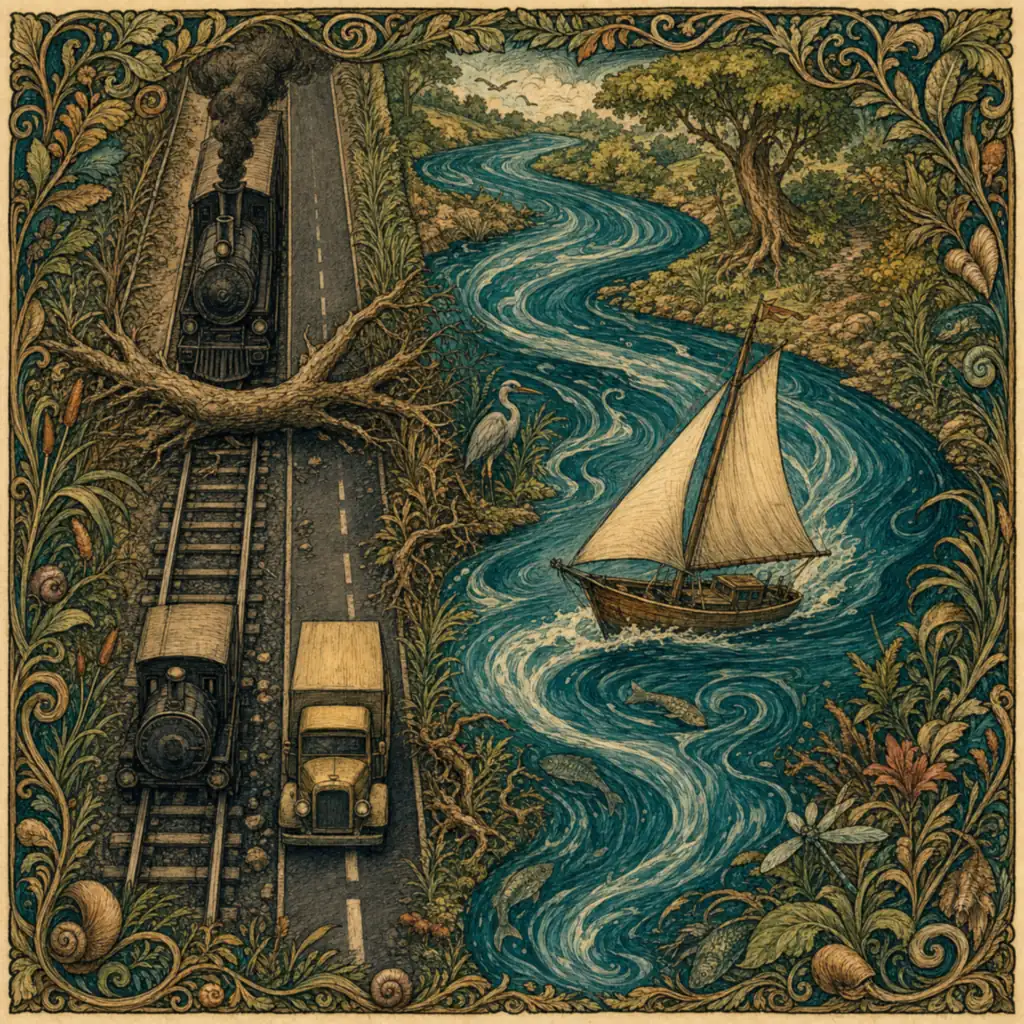 Develop non-linear logicModern life is dominated by a linear cause-and-effect logic that abstracts away time, place, emotions and social frameworks. Reality is non-linear, complex and interdependent.Read the principle
 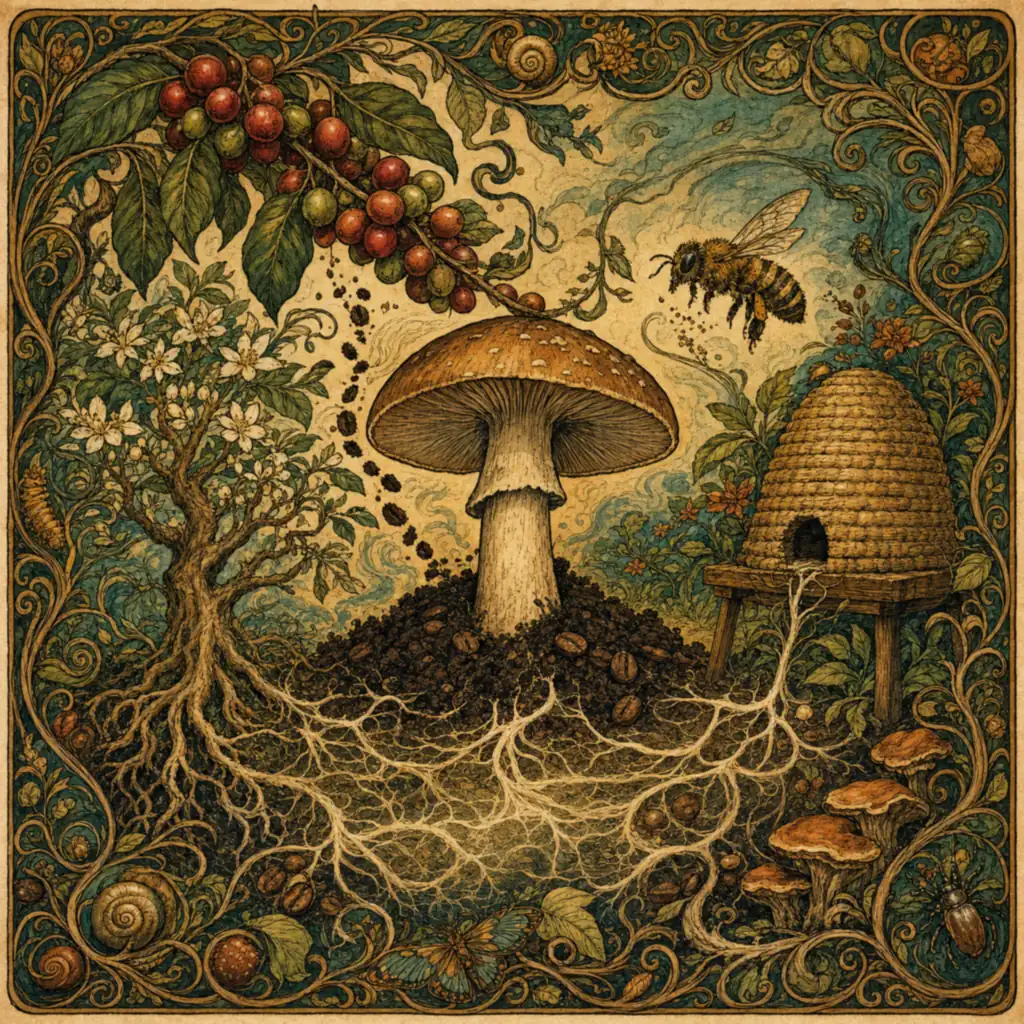 Optimise the system to the benefit of allThe axiom of business is to maximise profit for a few, by cutting costs and chasing economies of scale. The search here is for the optimum of an entire system.Read the principle
 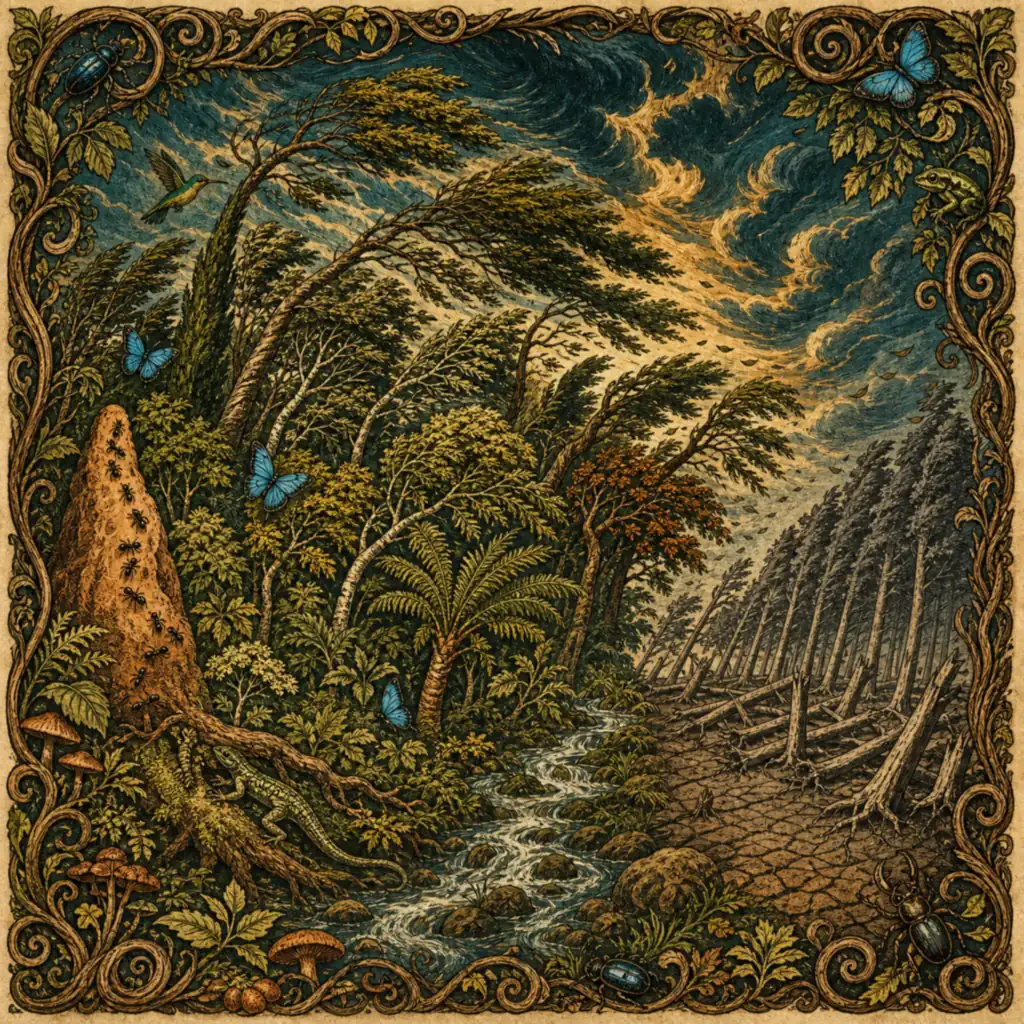 Build greater resilience through more diversityProfit maximisation relies on standardisation: one product, identical everywhere, in a tightly knit supply chain. Resilience comes from greater diversity and interconnectivity.Read the principle
 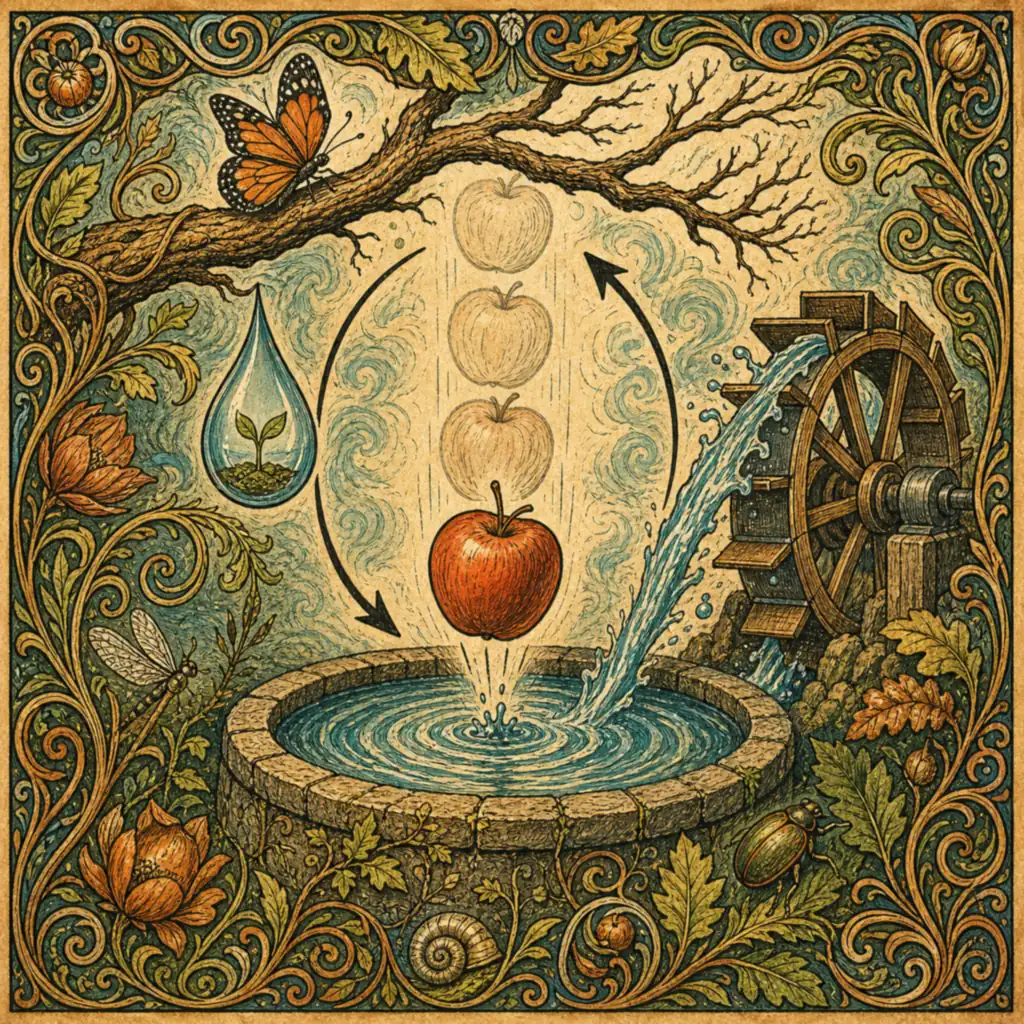 Look to Physics for Solutions firstIndustry has relied heavily on chemistry and its unintended legacy of toxic molecules and waste. The laws of physics and geometry determine much of life, and are the first place to look.Read the principle
 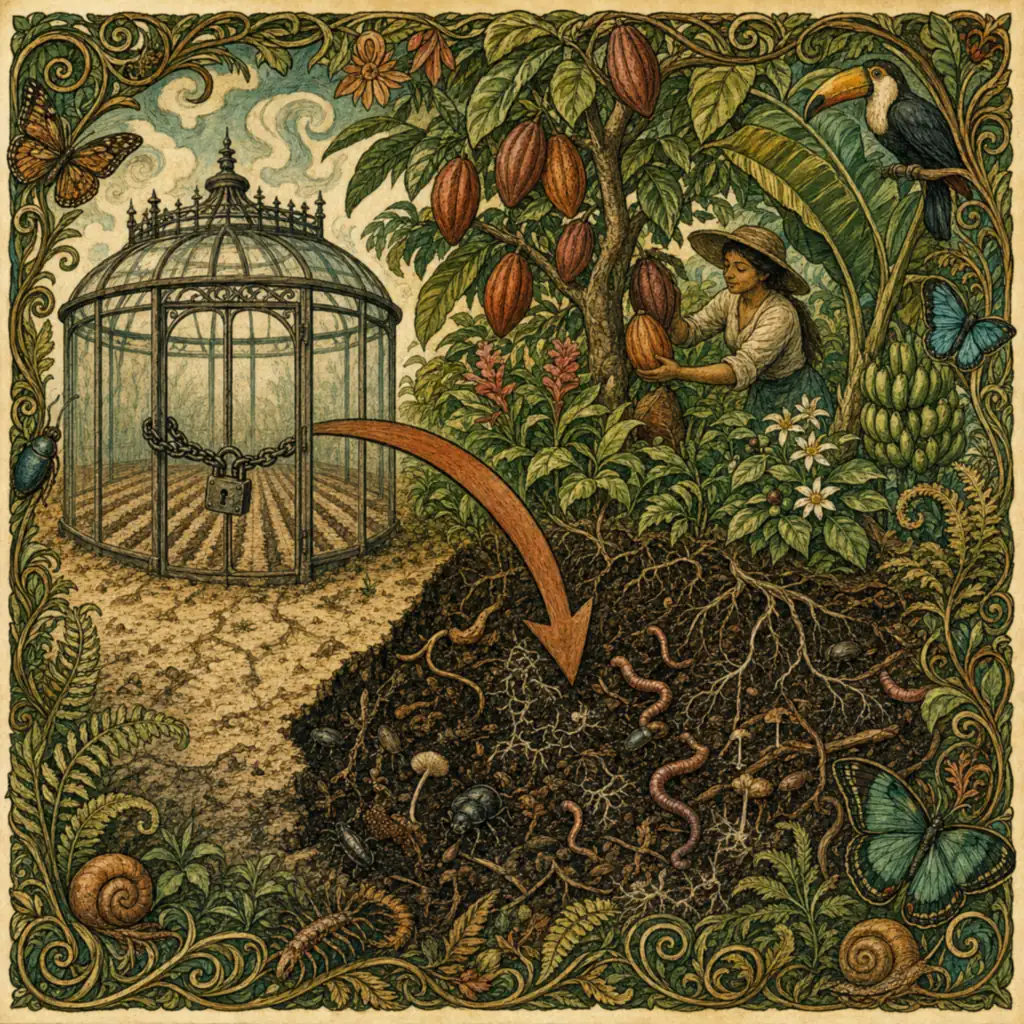 Go beyond organic and biodegradable – sustainable and regenerative is the new goalScrutinising products for toxicity and biodegradability was the outcome of the Green movement. It is no longer enough: the goal is sustainable and regenerative.Read the principle
Change the Rules of the Game
The Blue Economy does not merely embrace change, it designs for continuous change for the better. Multiple interconnected revenue streams shift competition to the level of the system, rather than the individual product or service.
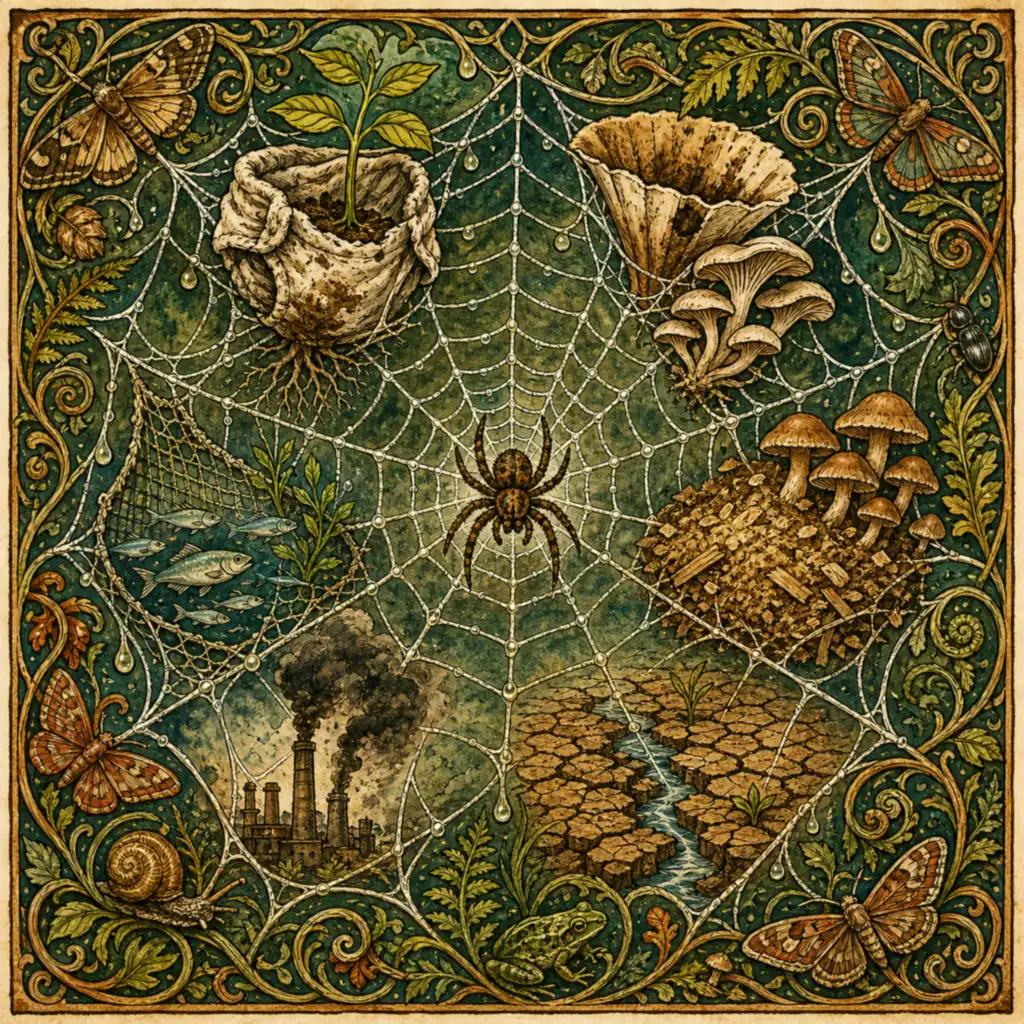 Discover interconnected problems as the basis for opportunitiesSolving one problem in isolation creates unintended consequences. Identifying the problems that are interconnected turns them into a portfolio of opportunities.Read the principle
 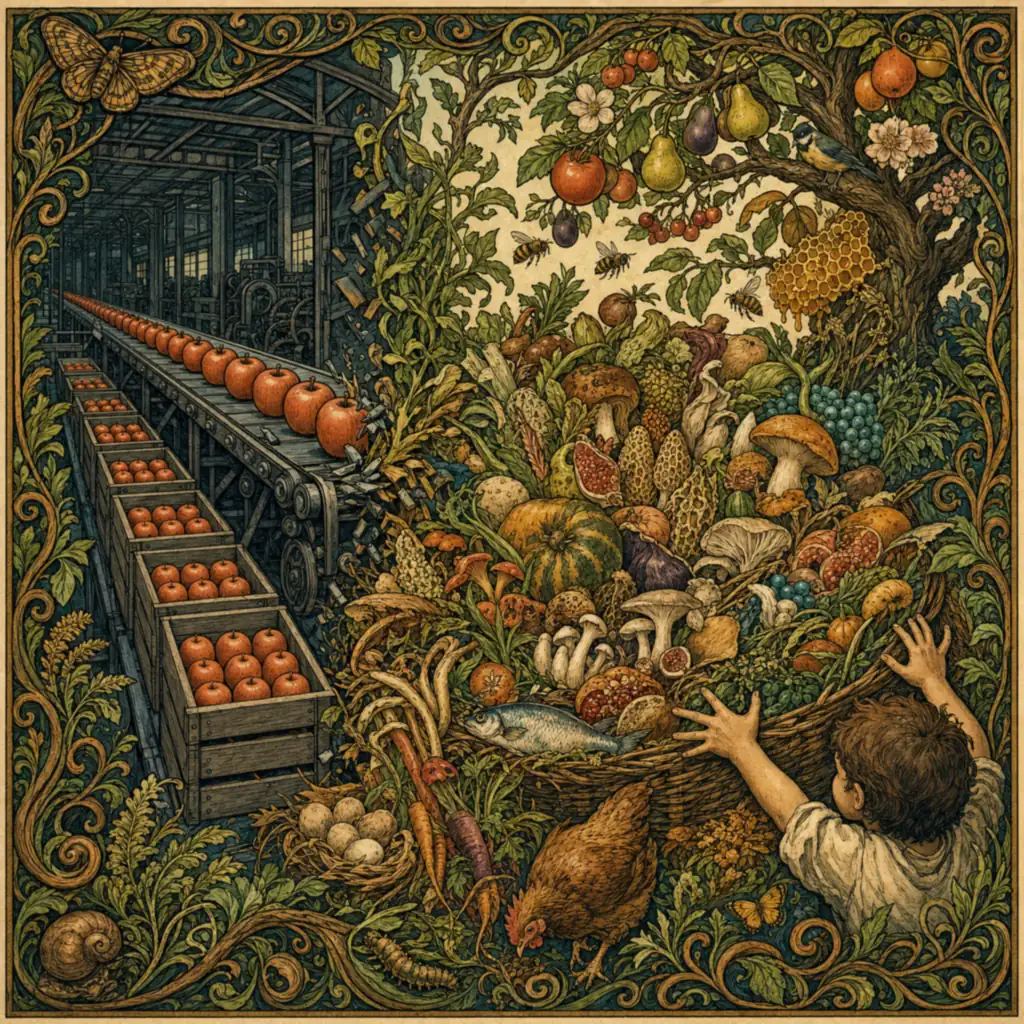 Shift from Standardisation to Diversification and AbundancePolluting less does not match the scale of the damage done. Emulating natural systems moves production away from standardisation, towards diversification and abundance.Read the principle
 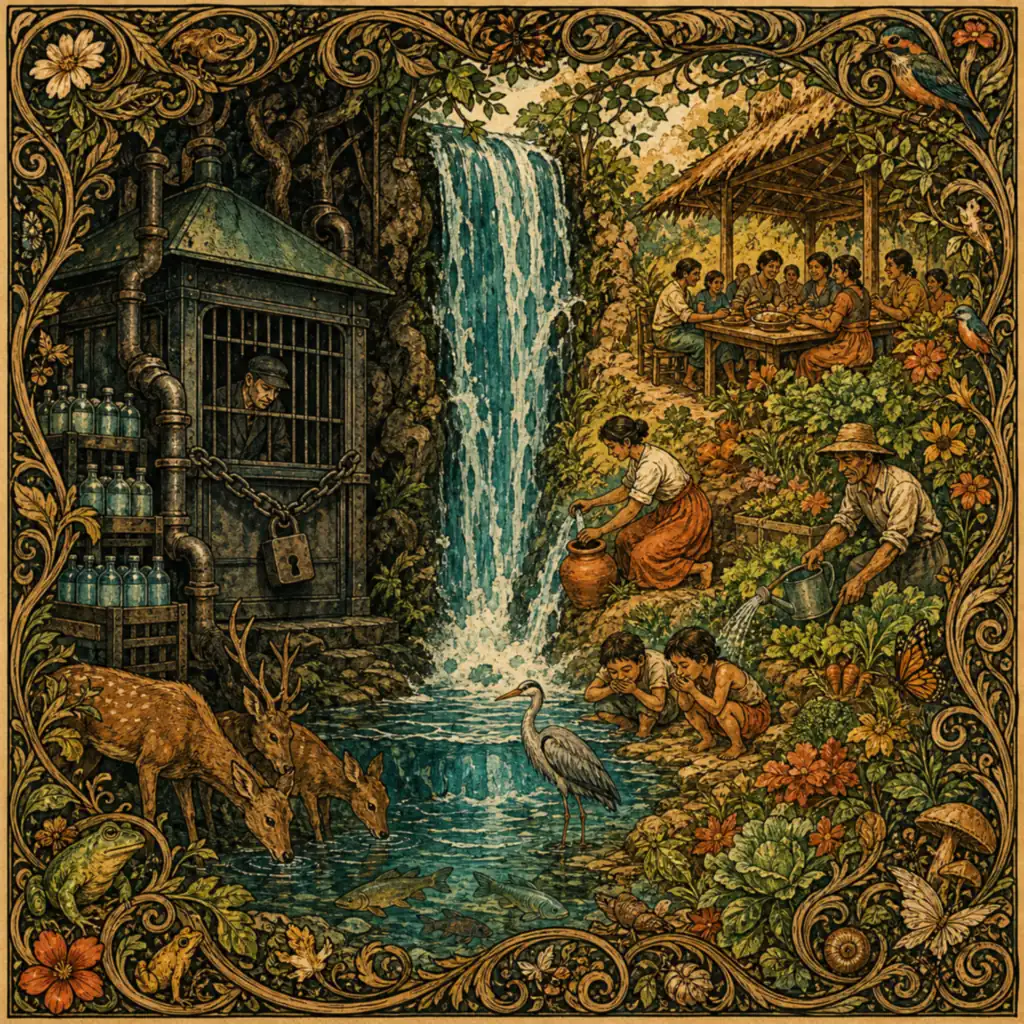 Strengthen the Common Good and Promote LifeNature delivers air, water, food, minerals, medicine and beauty, regulates climate and converts residues into food. These commons serve the Common Good of all.Read the principle
 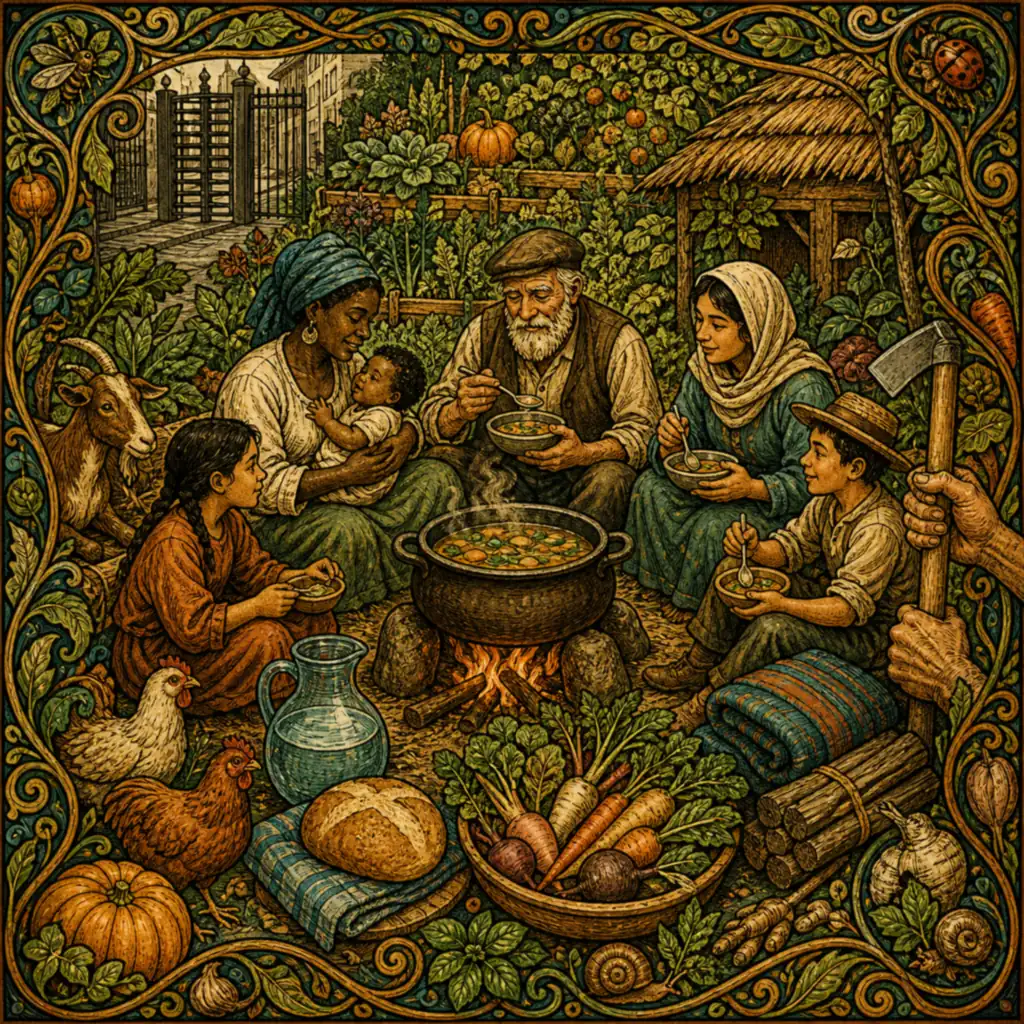 Meet basic needs firstInnovation and entrepreneurship are steered first towards water, food, shelter, health care, energy and jobs for all, without denying the same to future generations.Read the principle
 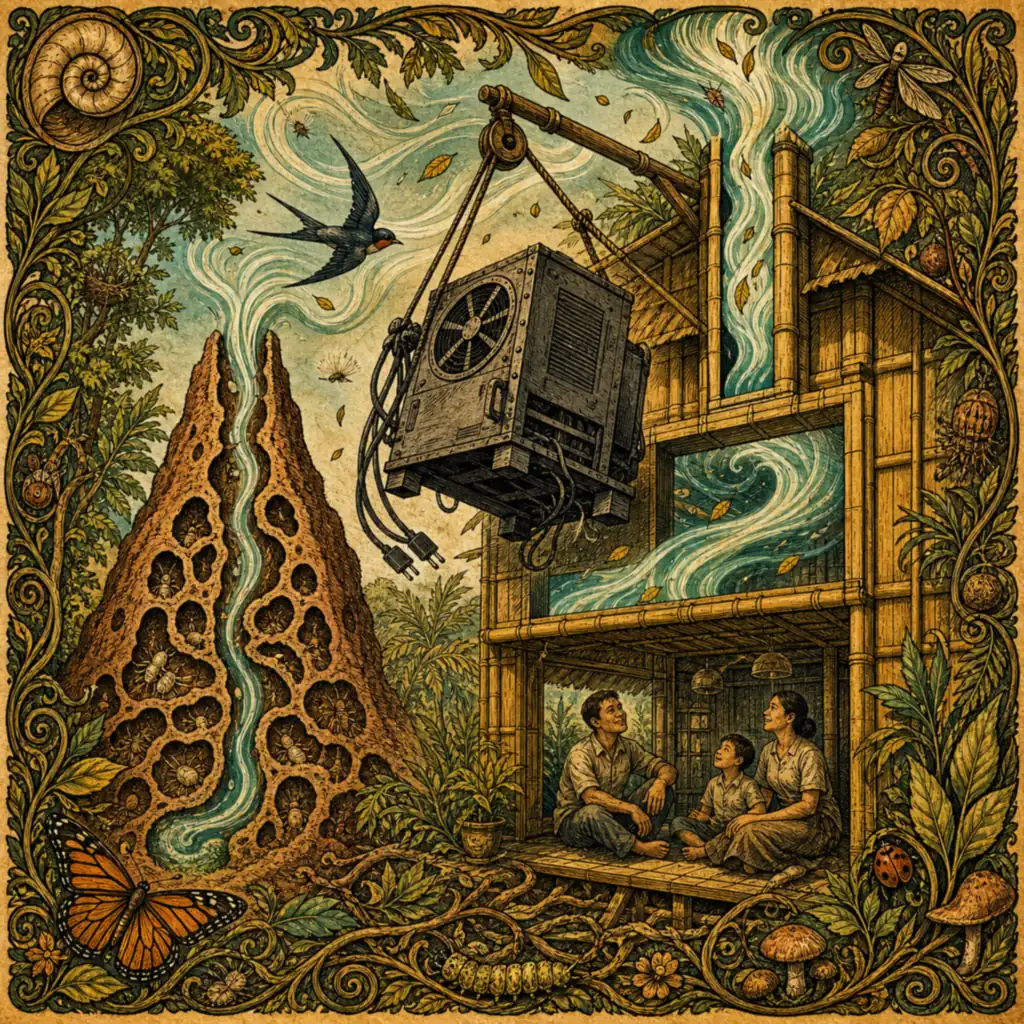 Replace something with nothingRather than substituting one technology for another, remove the artefact altogether while still delivering the service of value.Read the principle
 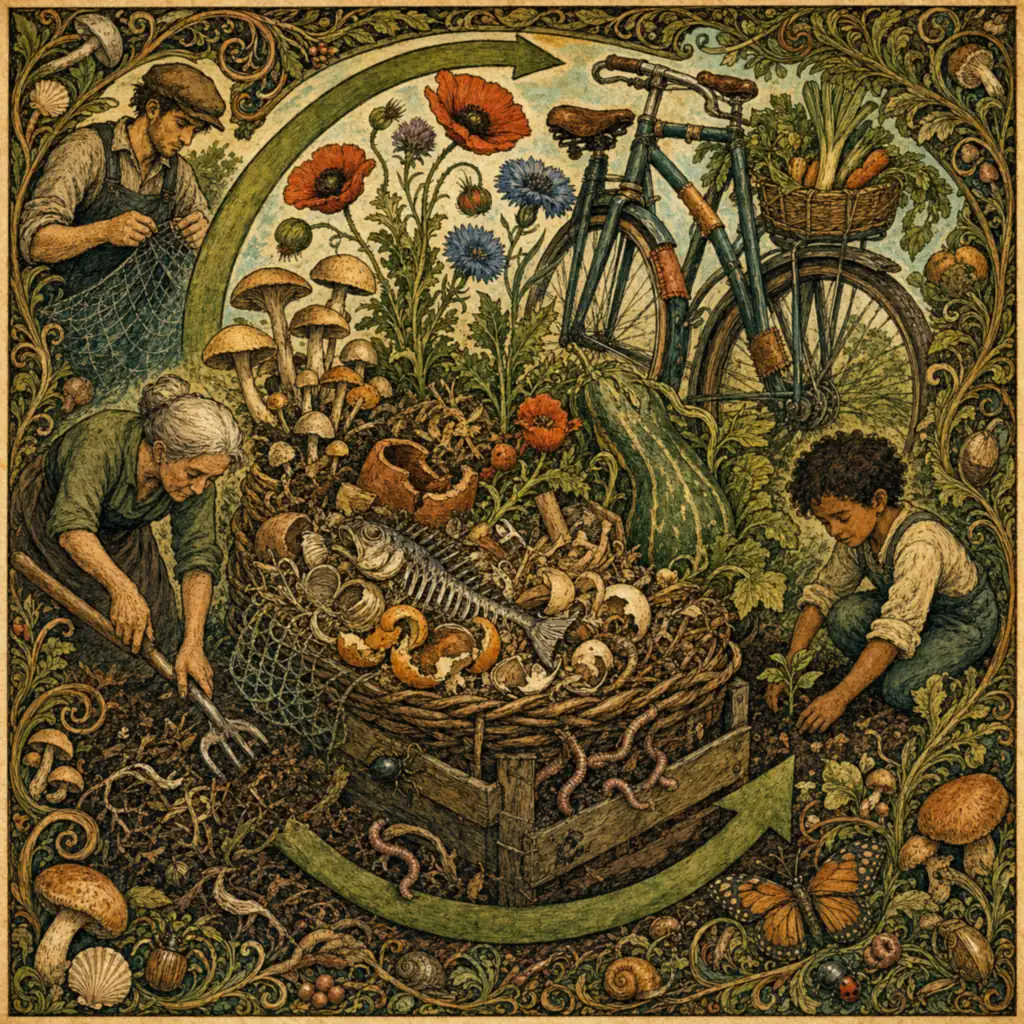 Value everything and everyoneResidue is part of every natural process; being wasted is not. Whatever is left over from one process becomes an input for another, for every flow of matter, nutrients and energy.Read the principle
  Hold out for health and happinessThe ultimate goal is a healthy and happy society, reached by designing portfolios of projects where money circulates locally and social cohesion grows, as at Las Gaviotas and Songhai.Read the principle
Focus on What is Locally Available
Whenever a problem emerges, the reflex is to bring in solutions, materials or products from elsewhere. Here it is the last option: aid and imports create dependency, while what is locally available creates autonomy.
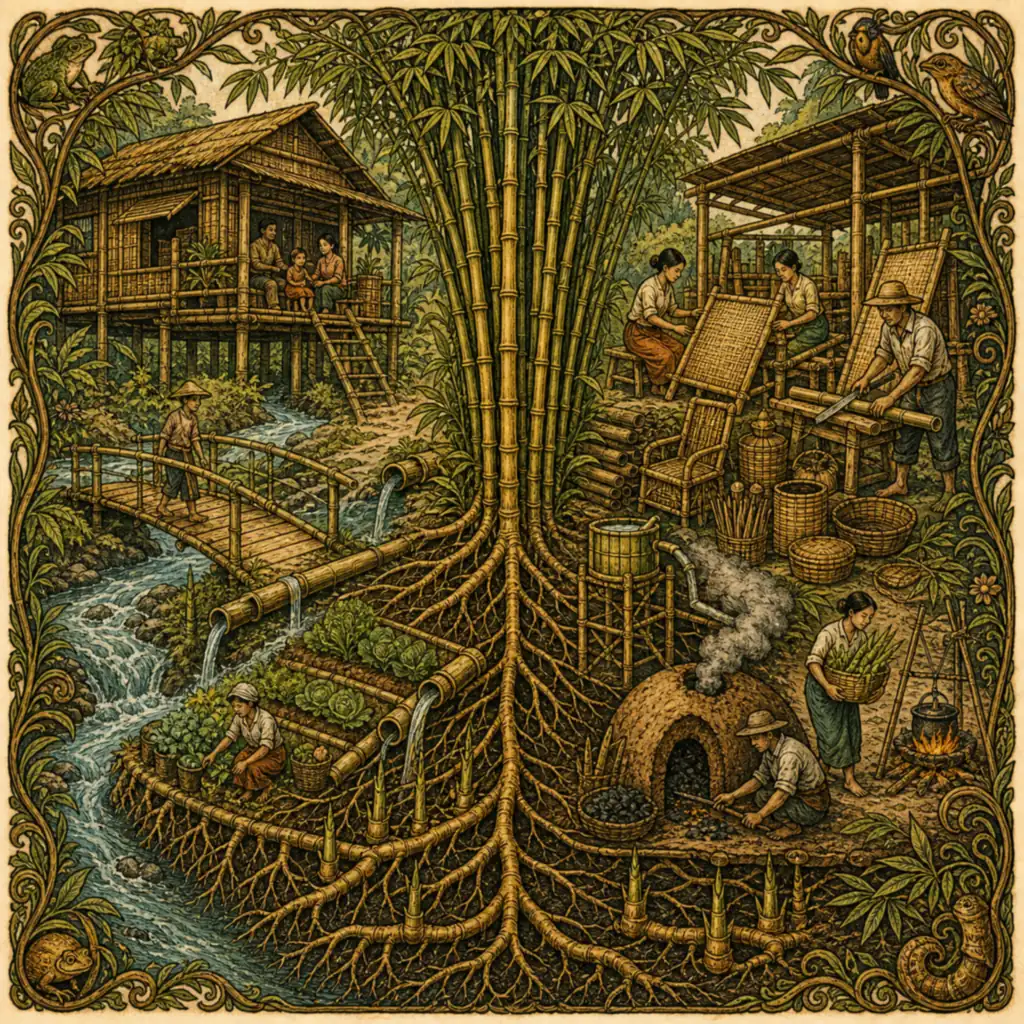 Create portfolios of local opportunitiesWeave together local materials and energy flows, harnessing existing infrastructure in multiple ways, to transform social, economic and environmental outcomes at once.Read the principle
 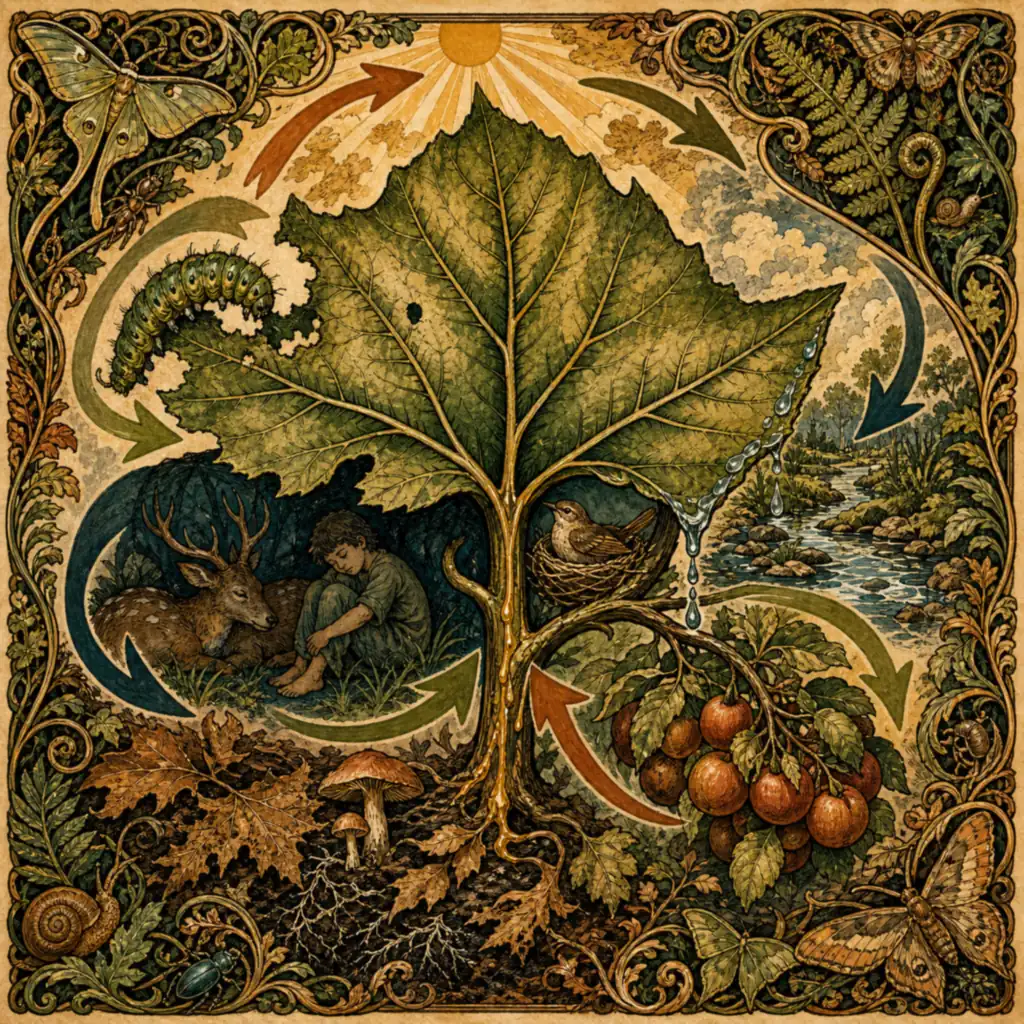 Design initiatives with multiple cash flows and benefitsA leaf does not only capture solar energy: it offers shade, manages evaporation, transports nutrients, protects the plant. Every project is designed for several returns, financial and not.Read the principle
 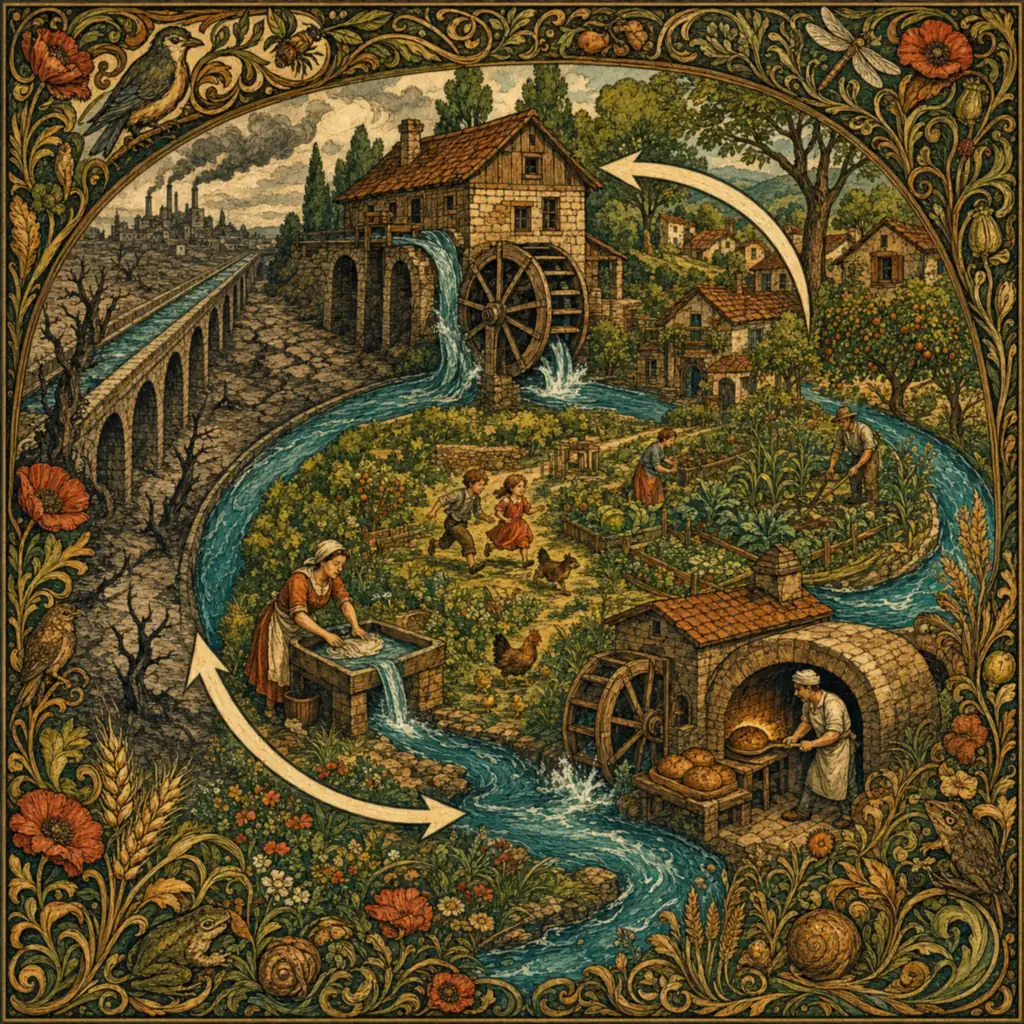 Create multipliers by directing the flow of money back into communitiesGlobal supply chains and commodity exchanges make money leave the community at once. Keeping it circulating locally creates a multiplier effect.Read the principle
 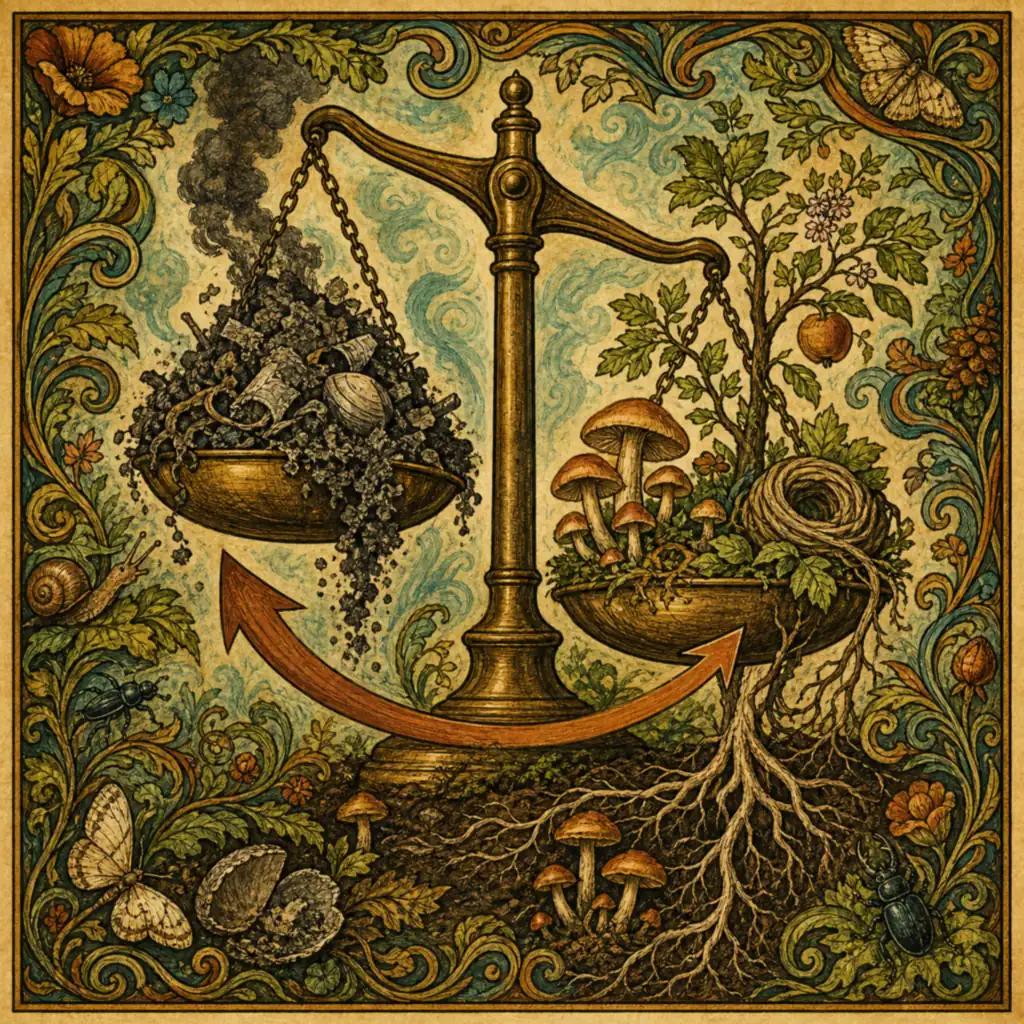 Look for opportunities for converting costs into capital and incomeA non-linear approach still translates into traditional accounting: what was borne as a recurring cost can be capitalised, and become a measure of health and performance.Read the principle
 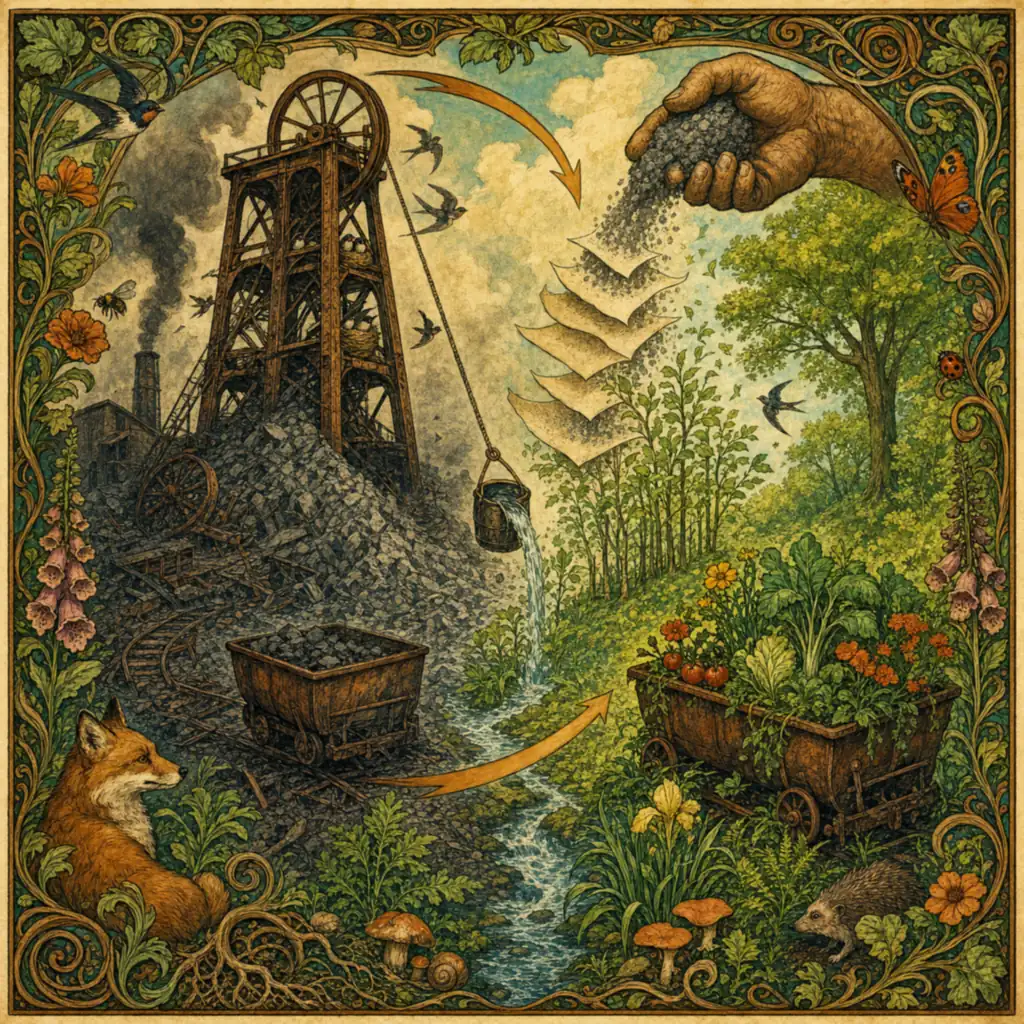 Revive and give purpose to stranded assets and infrastructureNegative and stranded assets covered by provisions can generate cash. Mine tailings, an expense per tonne, become a raw material for paper worth many times that per tonne.Read the principle
 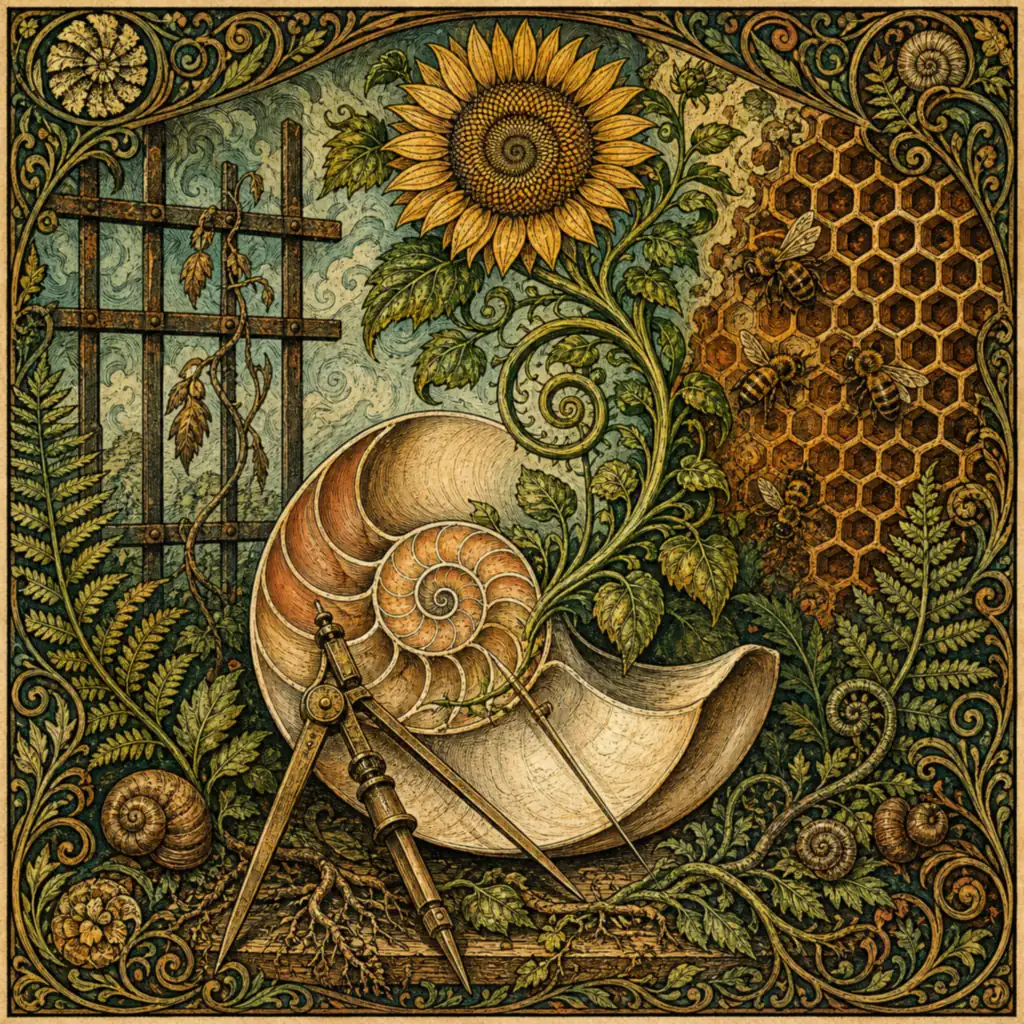 Let mathematical models design your business planTraditional market analysis cannot assess what does not exist yet. Multi-disciplinary teams learn by doing, guided by mathematics rather than by spreadsheets.Read the principle
 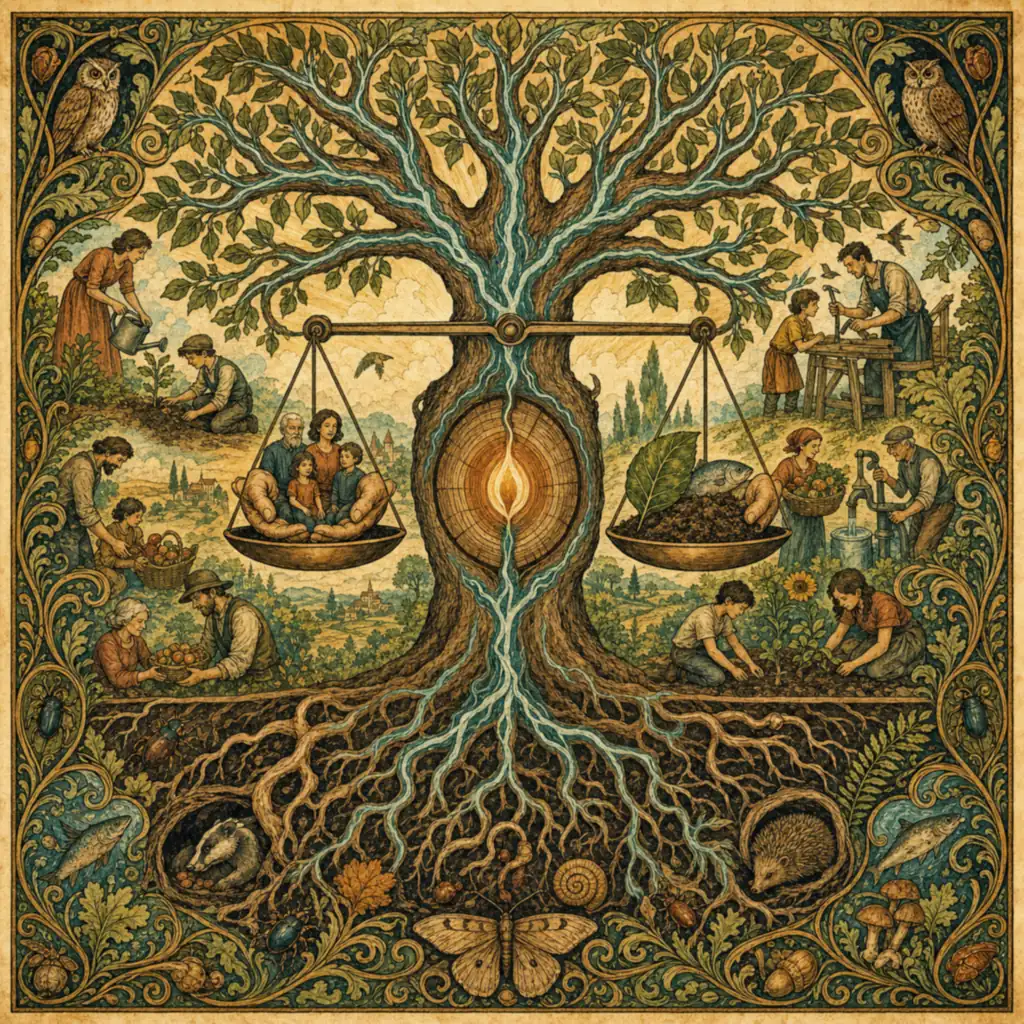 Always keep ethics at the coreThe models are presented in an uncompromising way, with a clear objective and transparent principles, in service of a new generation of entrepreneurs dedicated to the Common Good.Read the principle
See Change as the Only Constant
The principles are only the beginning. The Blue Economy has no dogmatic axioms and no trademarked concepts: its practitioners embrace change as the only constant, and are prepared to unlearn what they have learned.
Each principle will soon be illustrated by its own video and by the case studies that apply it in the field.
Source · Gunter Pauli, The Blue Economy 6.0, chapter 1 “Guiding Principles of The Blue Economy”, 2026 Edition.