
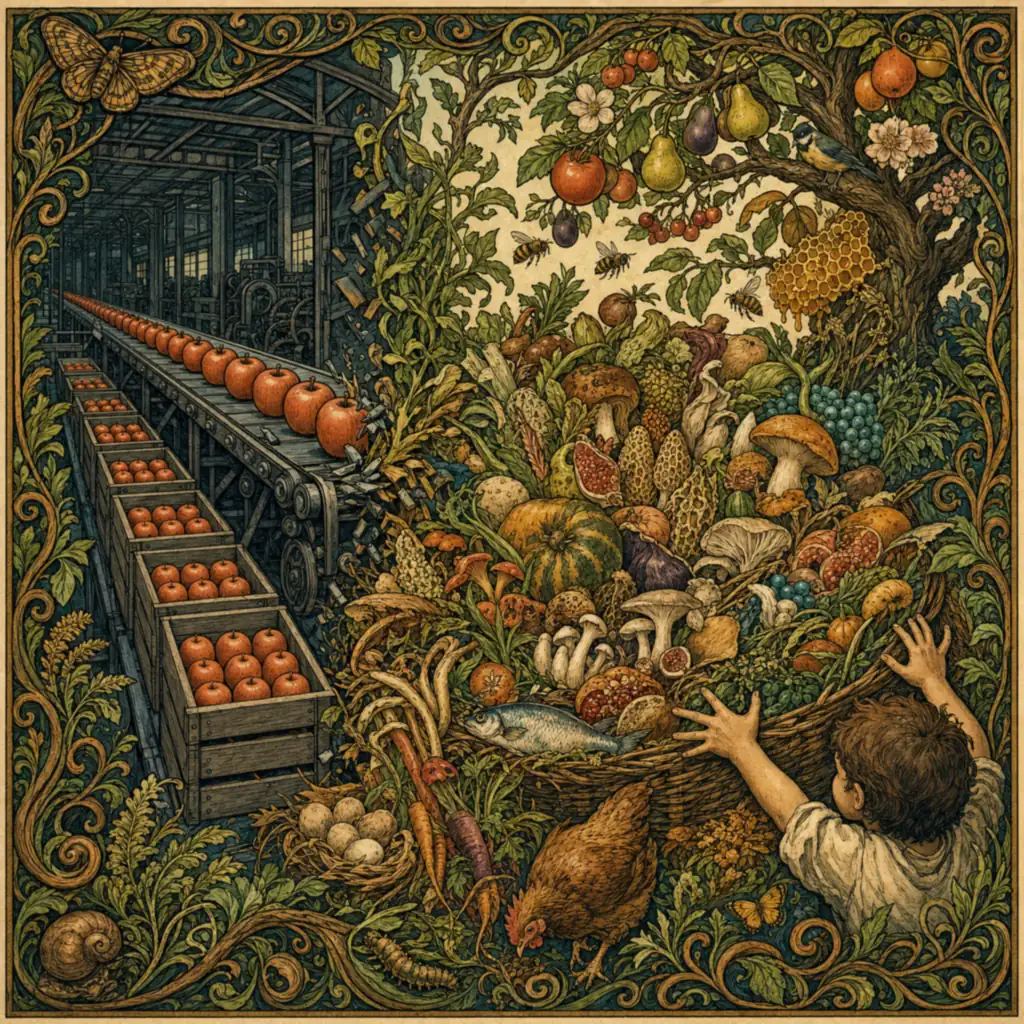
Polluting less is still polluting
The emulation of natural systems, where interconnected problems create the basis for portfolios of opportunities, provides us with new ways of imagining how society might be transformed. It also offers fresh insights into ways in which we can better ensure that Nature continues on its evolutionary path. As people become increasingly aware of the environmental damage already done (and the damage that continues to be done), we hear a lot of talk about polluting less, and of commitments being made to reduce the impact of industry on the environment. As most people are seemingly unaware of the scale and intensity of the havoc being wreaked, they are not able to comprehend the magnitude of the actual damage being done. The ‘solution’ we are currently adopting is to take measures to reduce the negative impact. This is simply not good enough. We need to replace current practices, products and industries with those that not only eliminate such negative impacts but create compounding positive outcomes.
A key reason why what has been practiced to date, namely ‘doing less bad’ – as polluting less is still polluting – is not enough, is that overall demand is increasing. This has been described as the Rebound Effect. While some can take positive steps to reduce impact, the world population is increasing, the middle class is expanding many more citizens with aspirations to the same sorts of consumption patterns as the ones who created the problems in the first place. Instead of setting targets around causing less environmental damage, our first priority should be to ensure that, in the first place, no damage is done at all. Instead of merely doing less of what is harmful, we should not be causing any harm at all. A criminal is not rewarded for stealing less, so how can it make any sense to reward a company for polluting less? Stealing less is still stealing — polluting less is still polluting. How can we then be satisfied with merely cutting down on emissions and reducing waste when we know that this is not sustainable?
From standardisation to a rich and diverse tapestry
We need to understand ways in which our actions, which often have unintended and unforeseen negative effects, can now have a series of positive effects. We need to study ways in which new business models are able to go beyond minimising damage to neutrality (zero emissions and zero waste as I argued first in 1989) – and then go beyond neutrality to positive effects – from which all will benefit. If we were truly students of Nature we would ensure that our industrial processes and our consumption habits evolve from standardisation and monocultures to a rich and diverse tapestry. The power of natural systems lie in their drive towards ever-more diversity. More diversity increases the number of relationships, and this strengthens resilience, and raises the productivity of the system by improving the flow of matter, nutrients and energy.
Las Gaviotas, from 17 to 256 plant species
When pine trees were planted as the first step of the Las Gaviotas project, Nature quickly made use of the new physical conditions. Within a decade biodiversity had increased from 17 plant species (including 11 non-native species of grass introduced to grow feed for cattle unsuccessfully) to 256 plant species. Non-native species were eliminated naturally through a process driven by indigenous grasses, bushes and trees better suited to the area. The better adapted native plants crowded the introduced plants out of the ecosystem. The resulting thick undergrowth ensured retention of moisture and nutrients; thriving ant and termite colonies replenished the deep soil with nutrients, which contributed to improved filtration and mineralisation of water. While fauna and flora flourished, pure drinking water was made available to the local community free of charge – improving the health of all to the point where the hospital was closed – due to a lack of patients.