
Problems are opportunities
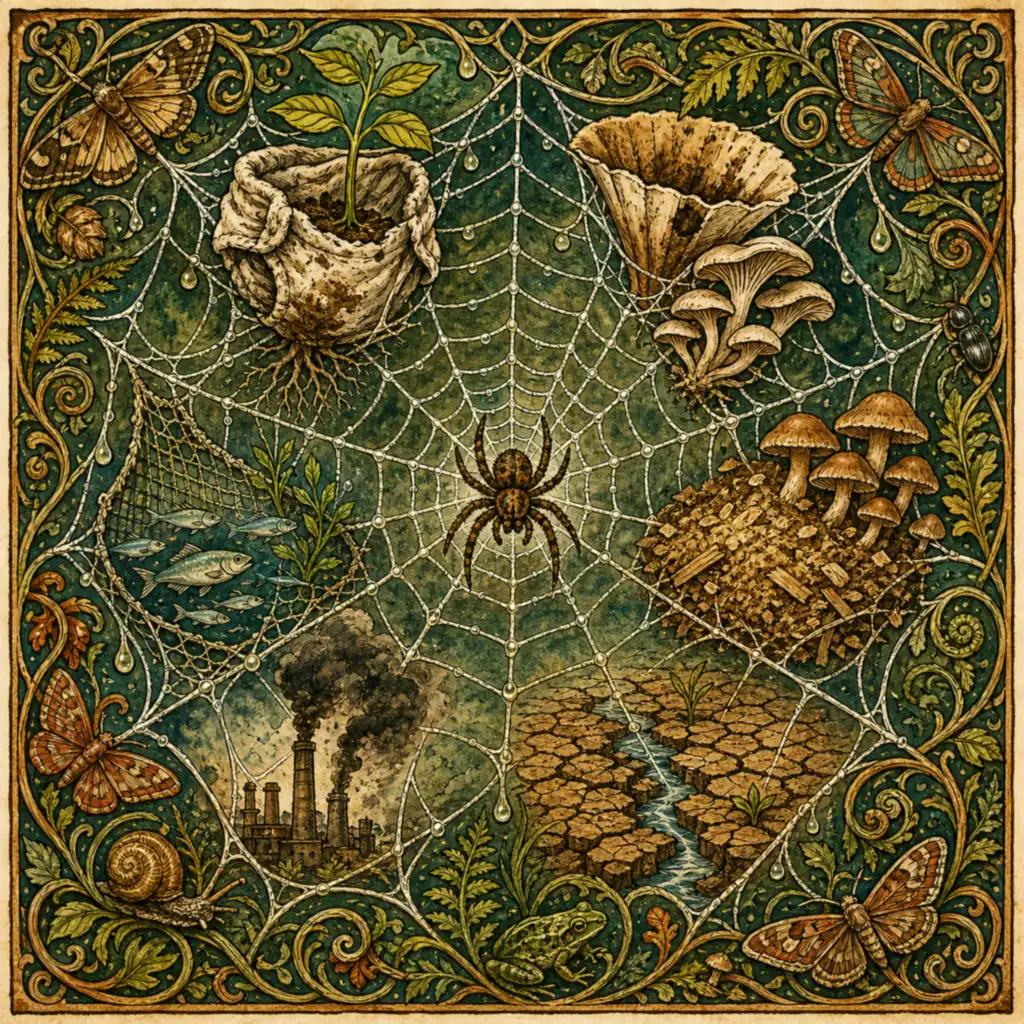
The principle that “Problems are opportunities”, is an age-old proverb created in ancient Chinese times. Peter Drucker, the management guru, popularised this concept in the seventies. The Blue Economy takes it a step further. As mentioned previously, when we attempt to solve a problem we often inadvertently create new problems, known as ‘unintended consequences’. While we never intended to cause any damage, our focus on solving one problem – without the ability to understand the ramifications of intervening in the complex system that surrounds it – creates other problems. Therefore, when confronted with a problem, The Blue Economy approach looks to identify and recognise any other problems that exist in the same system. Unless we impose the discipline of discovering such connections, they can remain unnoticed and as a result may be hard to unravel and correct. We therefore map the problems and take stock of their ramifications.
Learning the hard way
As I have shared, I learned the hard way that even when products are biodegradable and renewable, they are not necessarily sustainable. As soon as I became aware of the destruction caused by the demand for palm oil, I could have pretended that over time the negative impacts would decline, but then knowingly causing damage implies that those unintended consequences would have turned into collateral damage or knowingly causing harm – and this is unethical! It was when faced with this problem that I dedicated myself to the creation of alternatives, like the production of detergents from the extracts of citrus fruit peel (a residue from juice production) and the regeneration of the rainforest, demonstrating clearly that the damage done can be undone if we are prepared to dedicate time and resources, and if we are committed to going beyond the established science.
Interconnected problems unveil portfolios of opportunities
Whenever we discover these unintended consequences we need to turn our attention to the opportunities arising from pursuing an alternative path, using all of The Blue Economy principles. The key is to realise that interconnected problems can unveil portfolios of opportunities, as is done as part of a Blue Economy “scan and screen” approach discussed elsewhere in this book. Hence, instead of trying to find a solution to one problem, following the cause-and-effect approach, which often only addresses the symptoms and not the root causes, a Blue Economy approach redirects existing flows of energy, materials and funding towards the implementation of what matters most: ensuring that everyone has their basic needs met and can flourish within their community.