
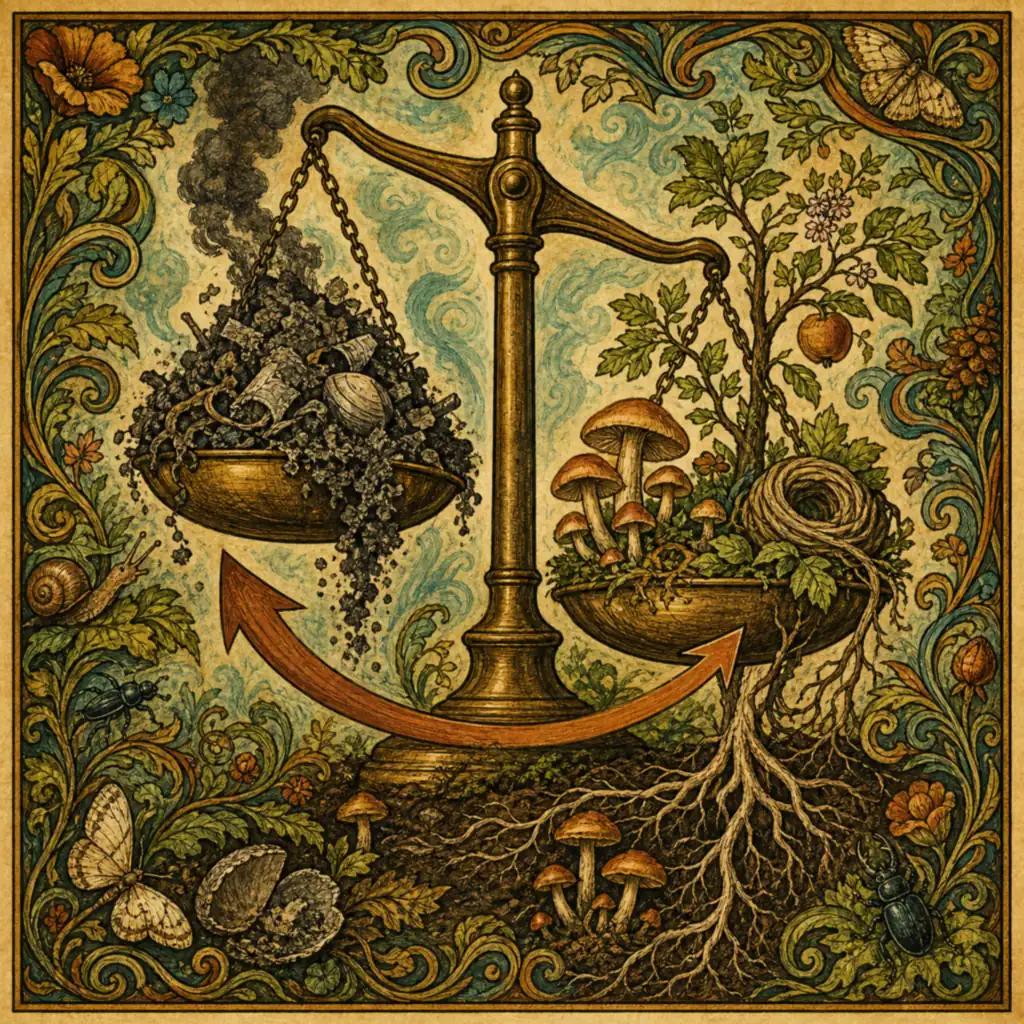
Translating progress into traditional accounting
Although a Blue Economy approach prioritises non-linear models, it can still translate progress into annual or quarterly results using traditional accounting tools. This is an important part of linking the wide range of newly created opportunities to incorporate these initiatives and proposals into the traditional tools for measuring the health and performance of a company, or a cluster of enterprises.
Stone paper treated like a deposit
A few examples illustrate this approach. The business model design sometimes allows costs to be capitalised, as is the case with stone paper. This type of paper is recyclable indefinitely, unlike regular tree-based paper that can only be recycled four to five times before the fibres are too short and become ill-suited for reuse. Therefore using stone paper means that now the cost of the paper in books can be treated like a deposit, a commercial technique used for glass containers. Stone paper it is easily and endlessly able to be recycled. Just like drink companies are able to list the aluminium from cans, and the glass for bottles as an asset on the balance sheet because of the deposit enforced by law. By charging a deposit that strengthens revenues, the recycling of paper will reduce costs on P&L (profit and loss statement) as paper is now an asset, with the majority of the cost paid upfront and then reused to generate ongoing revenue. Publishing companies can offer a reduction in subscription rates if the old magazines are returned, creating a closed-loop for stone paper at low recovery cost, in cooperation with customers that are committed to returning the paper and corrugated cardboard. The reduction of costs will increase circulation, improve higher revenues and put more stone paper on the balance sheet. This approach also works in the case of farming mushrooms on coffee waste, where the large amounts of spent grounds in a café shifts from being a liability to be dealt with, to a product which can be sold with a high value generation.