

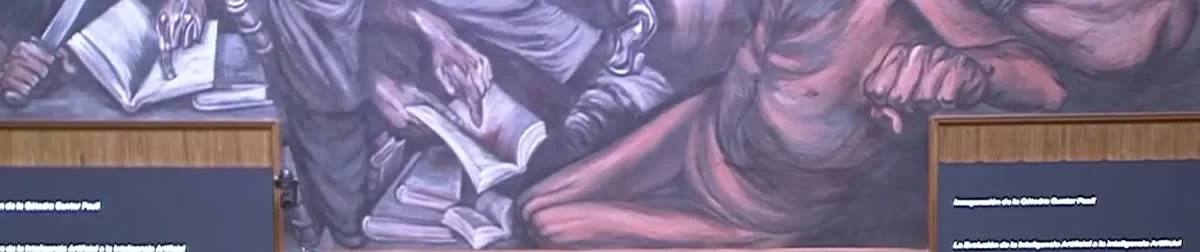
On November 20, 2026, in the Paraninfo of the University of Guadalajara, Gunter Pauli gave the inaugural lecture of the chair that bears his name, welcomed by Rector General Karla Planter Pérez and by Guillermo Arturo Gómez Mata, rector of the Tlajomulco University Center. Its title: La evolución de la inteligencia artificial a la inteligencia natural (The Evolution from Artificial Intelligence to Natural Intelligence).
Above him, the mural painted by José Clemente Orozco almost 90 years ago gave him his starting point: we need “the creator and the rebel.” He immediately named his target: “Today’s false leader is artificial intelligence.”
What the machine cannot do

For Gunter Pauli, artificial intelligence “does not generate new knowledge. It only looks for correlations between knowledge that already exists.” He contrasts it with the intelligence of nature, which regenerates life and keeps the memory of what it has been through: spirulina, he reminds us, carries more than 3 billion years of survival techniques.
The tick, the elephant and the stork
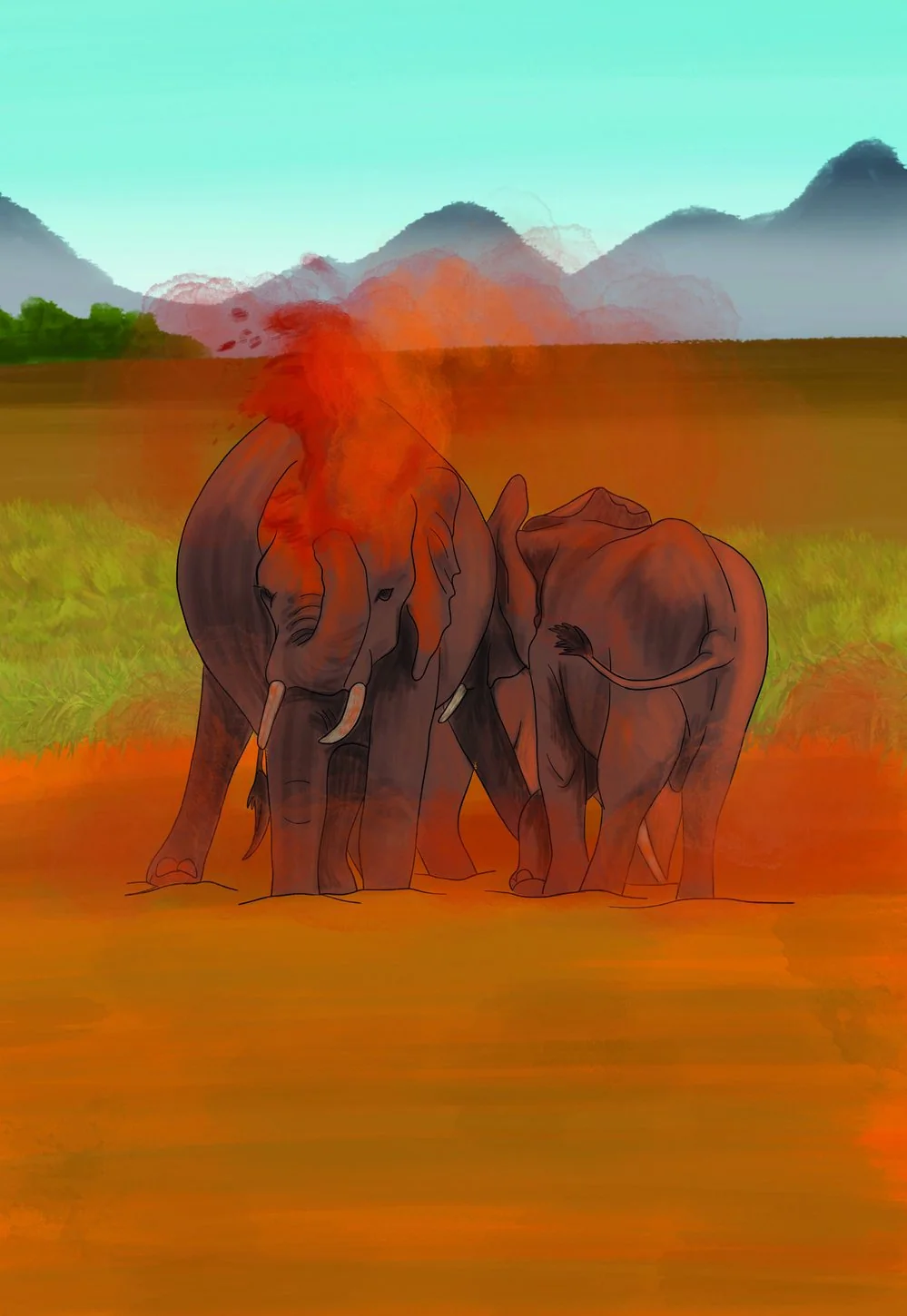
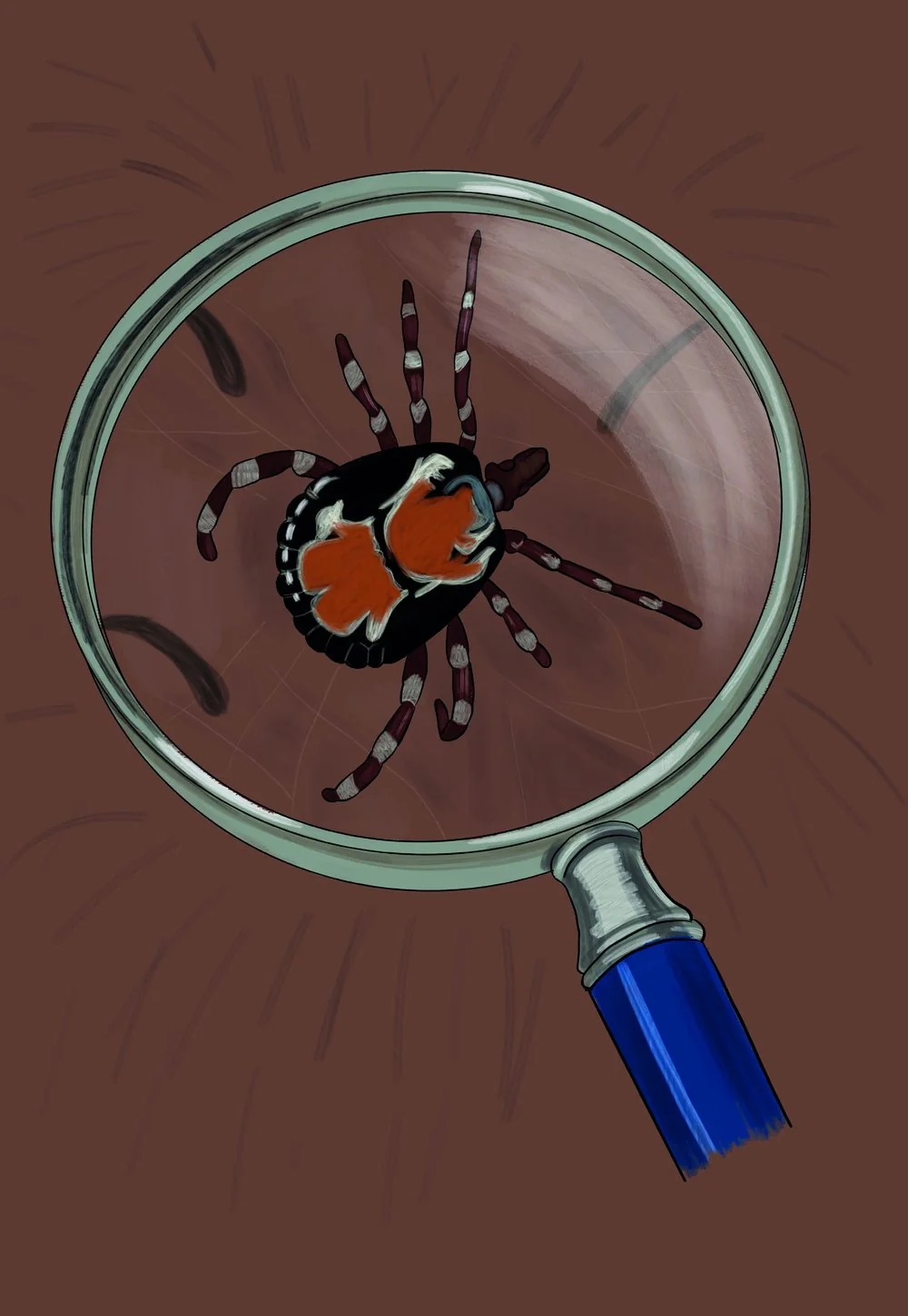
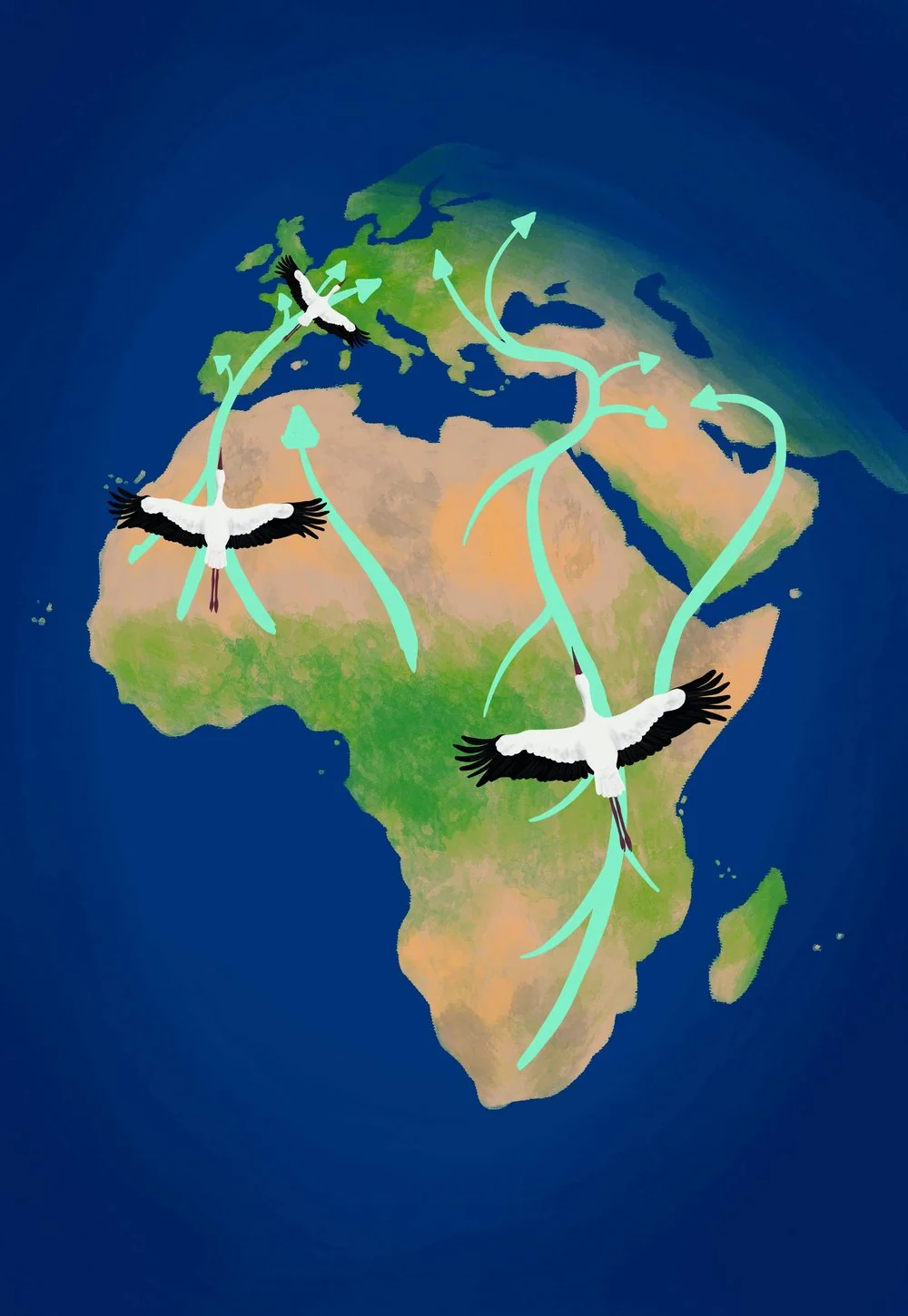
His demonstration starts with the animal nobody likes. In Africa, an elephant can carry up to 500,000 ticks. To get rid of them, it takes a mud bath, and its weight seals the ground. A pond forms. A migrating stork lands there, and its feet drop off the fish and toad eggs picked up in the previous pond. Life appears where there was none, and it is the tick we have to thank.
“There is no artificial intelligence capable of regenerating life the way the tick was designed,” he sums up. This is the spirit of the Blue Economy: instead of looking for ways to kill ticks more effectively, understand the ecosystem and see opportunities in it.
El Hierro and Vichada, projects already carried out

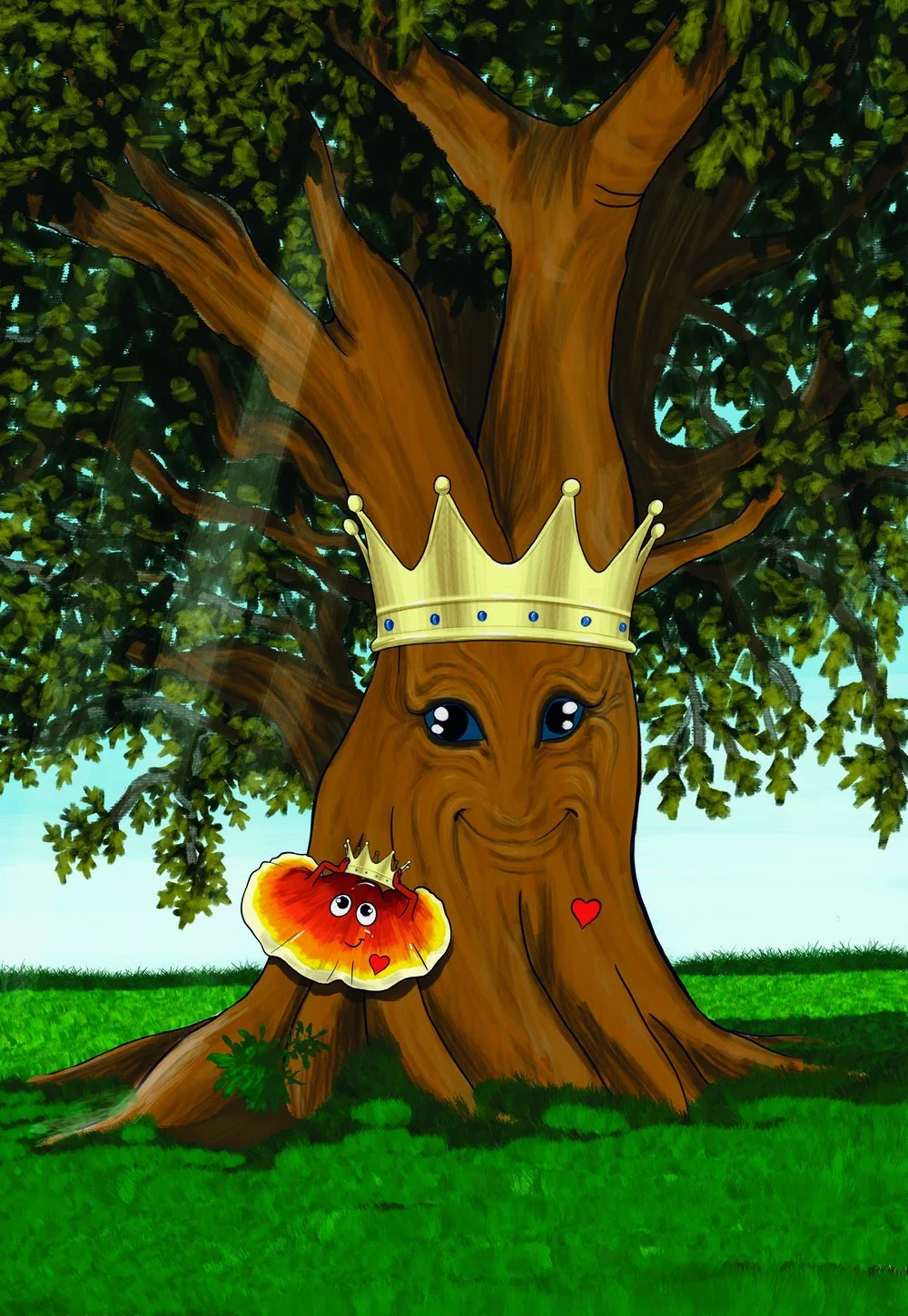
Gunter Pauli talks about concrete cases and invites people to go and see them. On the small island of El Hierro, 87 million euros were mobilized to transform the water and energy supply of 5,600 residents, who were paying 9 million euros a year for diesel. The island became the first in the world to be self-sufficient in energy and water. 7,200 young people came to settle there, it now has 12,800 residents, and the average income, which was half that of Tenerife in 2002, is now double it.
In Colombia, in Vichada, deforested since colonization, Paolo Lugari launched the idea of regenerating the tropical forest, which academia judged impossible. On 8,000 hectares planted thanks to mycorrhiza, the forest now yields water, resin and the turpentine that powers 12,000 engines. At age 6, every child there receives a bicycle and the guarantee of 3 liters of water from the forest, free for life, and learns an instrument or dance. It is, he stresses, the only area of Colombia that has not seen a single homicide in 42 years.
The allies we forget
“What we have to celebrate are the little ones we never see,” he says. Melipona bees, the stingless bees to which the Maya Codex devotes five pages, are a case in point. Yucatán had 500 hives in 2010 and has 5,000 in 2026, thanks to initiatives all led by women, farmers and Maya. He estimates the potential at 100,000.
The tapir, which he calls “the gardener,” drops seeds where the forest lacks them: one pair looks after 40 hectares. Together with the Melipona bee and the beetle, it forms a trio that regenerates the forest.
Mexico and its own riches
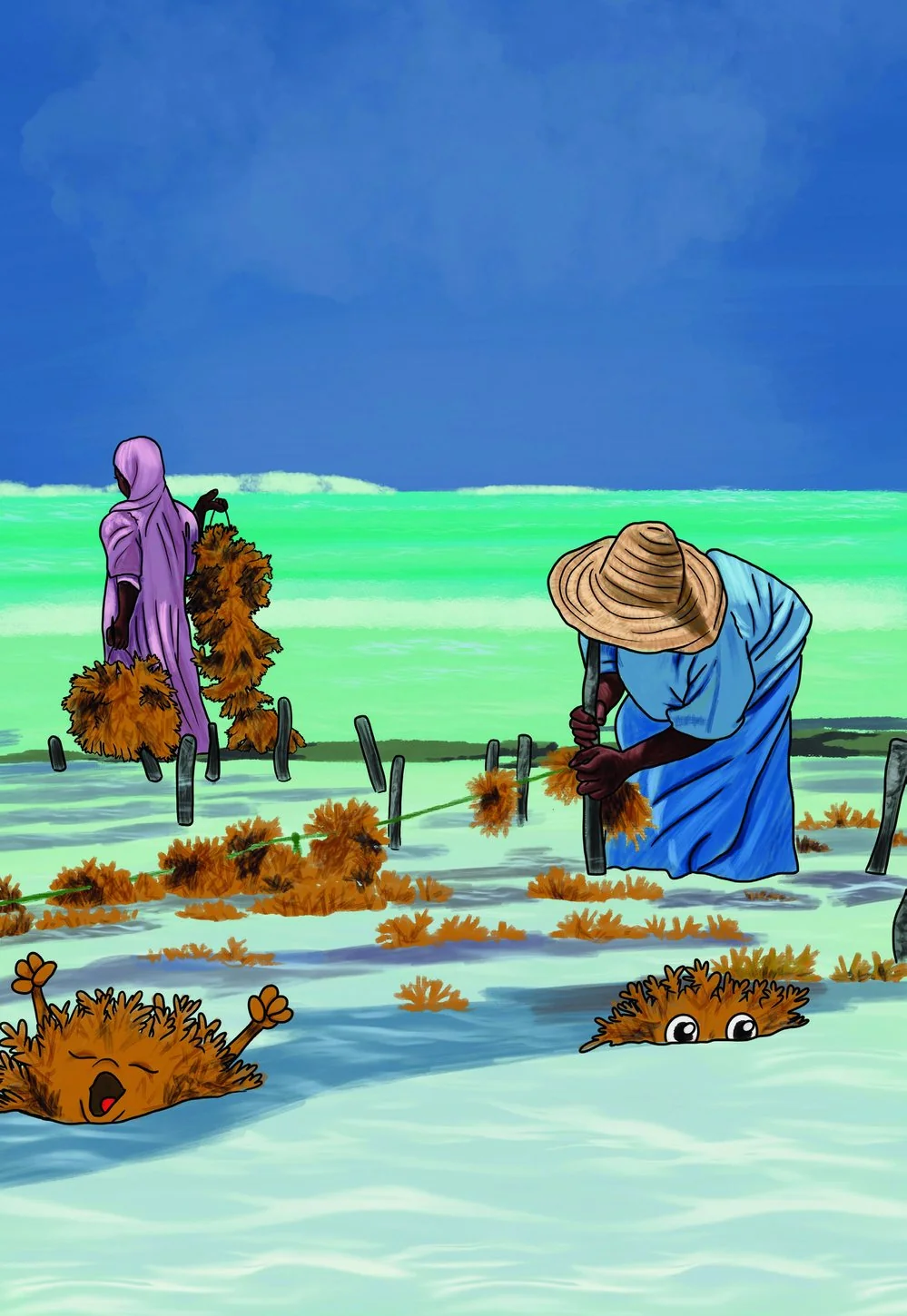
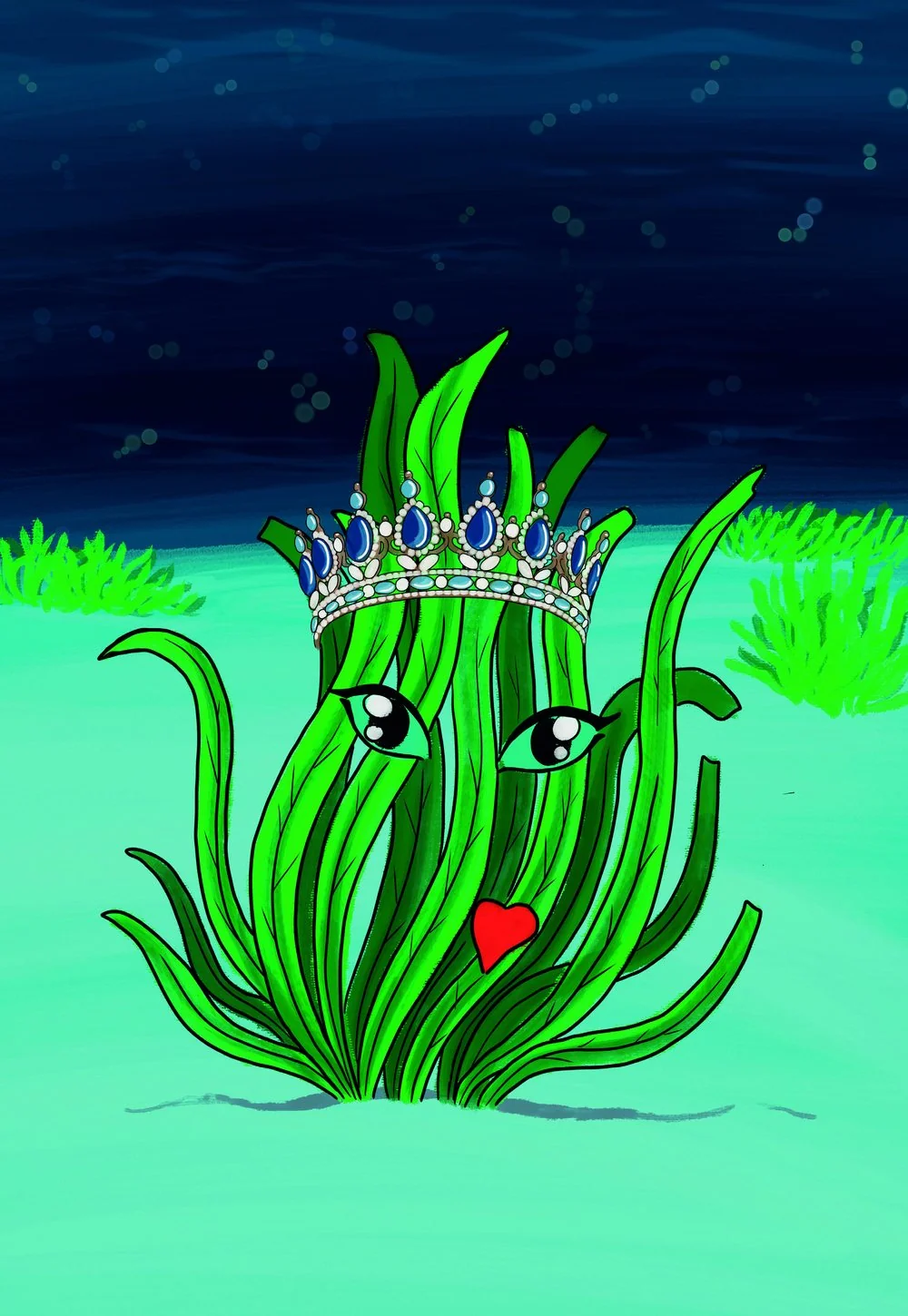
As for the sargassum affecting Yucatán, he answers that the problem is not the seaweed but the excess of nutrients coming from untreated wastewater. He points out that 52% of the seaweed produced on Earth comes from China, that in Zanzibar 23,000 women now farm it, and that Mexico has 3.2 million square kilometers of exclusive maritime zone, twice its land territory. As for the black water sent out to sea, it can become a resource: according to the analysis carried out in Brazil, each person can produce one cubic meter of biogas per day.
Listening to the living world



The last part presents modest tools. A small $100 device, connected to the leaf and the root, reads the plant’s vibrations, and it is the plant that decides when irrigation starts and stops. An AM radio internet network is being set up in Palau. A system using laser light and a metasurface performs a DNA analysis in six seconds, for $100. For Gunter Pauli, all of this requires data sovereignty, because “data is oil, data is power, data is knowledge.”
The pedagogy of surprise
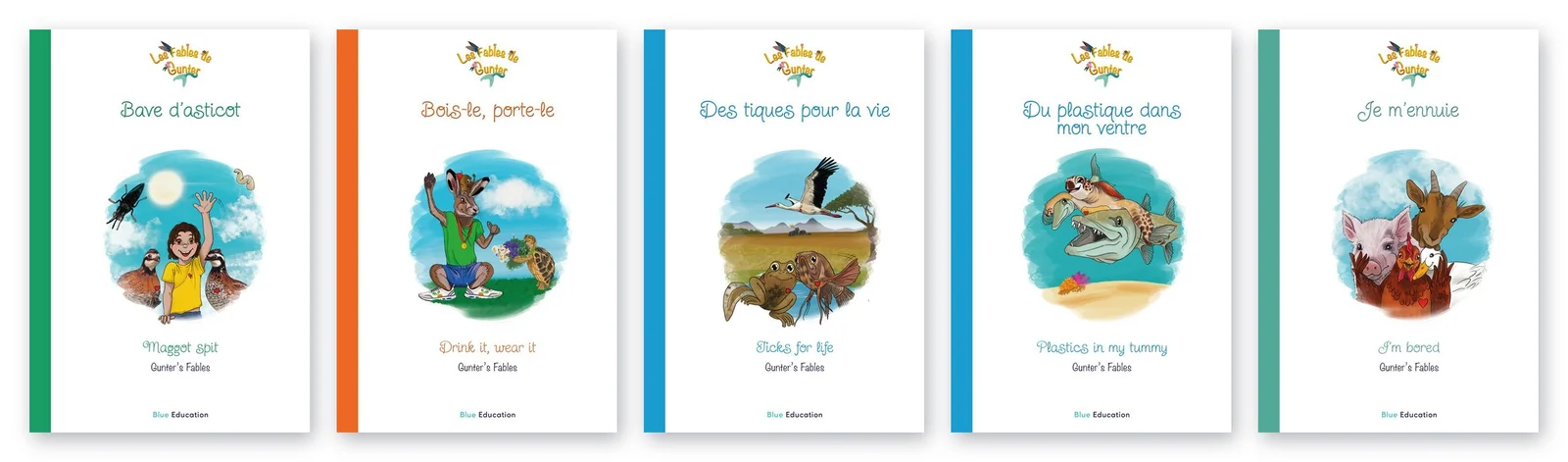
He ended with the children. Almost everything he talked about that day already exists in his 365 fables, which he calls “the pedagogy of surprise,” because “surprises are what make you want to know more.” A working day with some 350 teachers was planned for the following Monday, to turn education into inspiration.
His last words were addressed to the whole room: “The sky is no longer our limit. We can head over there, and we do it together.”

Quotes are translated from Spanish. The full lecture can be watched on the L'Économie Bleue YouTube channel, in French, English, Spanish, Portuguese, Arabic and Chinese.